 Language
Travel, Wine
Mendocino County Wine: A North Coast Original
About 130 miles north of San Francisco, California's Mendocino County wine country is a rugged and forested area, light on crowds but rich in history and character.
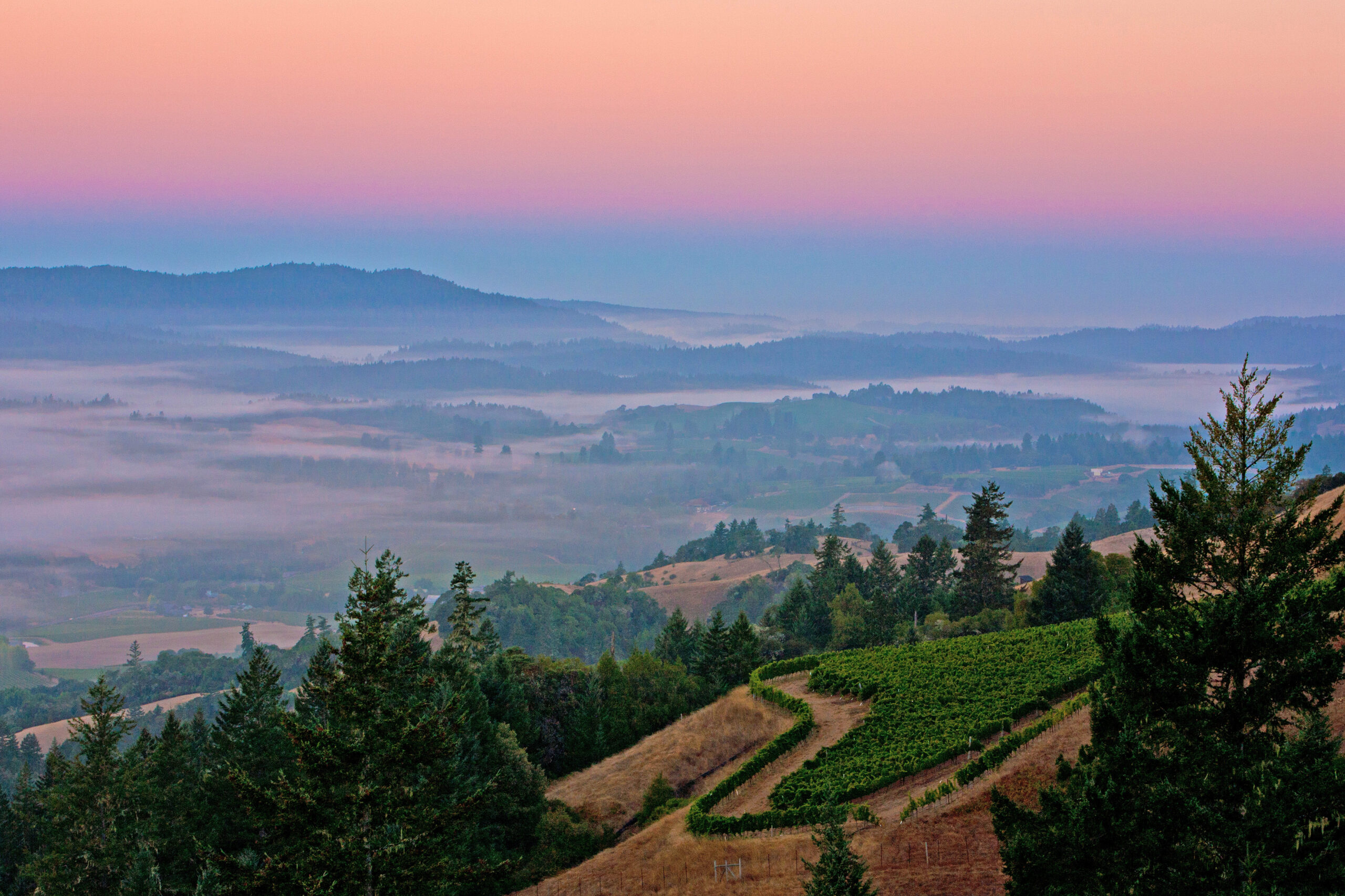
About 130 miles north of San Francisco, California's Mendocino County wine country is a rugged and forested area, light on crowds but rich in history and character.
With over 100 wineries and 13 unique AVAs, Mendocino County wine is shaped by cool coastal breezes, dramatic landscapes and fiercely independent winemakers. From the craggy Pacific coastline to forested mountain ridges and sun-drenched inland valleys, Mendocino County is one of the state’s most geographically diverse wine regions.
What sets Mendocino County wine apart isn’t just its range of varieties or picturesque landscapes, but also the collective ethos behind the wine. This region is where small, family-run wineries thrive, sustainability is a way of life and winegrowing is guided as much by tradition as innovation.
Discover California Wines is an initiative by Wine Institute, an association of more than 1,000 California wineries and wine-related businesses. In this article, we’ll explore what makes Mendocino County wine truly special, from its deep roots and old vines to its sustainable farming practices and must-visit tasting rooms.
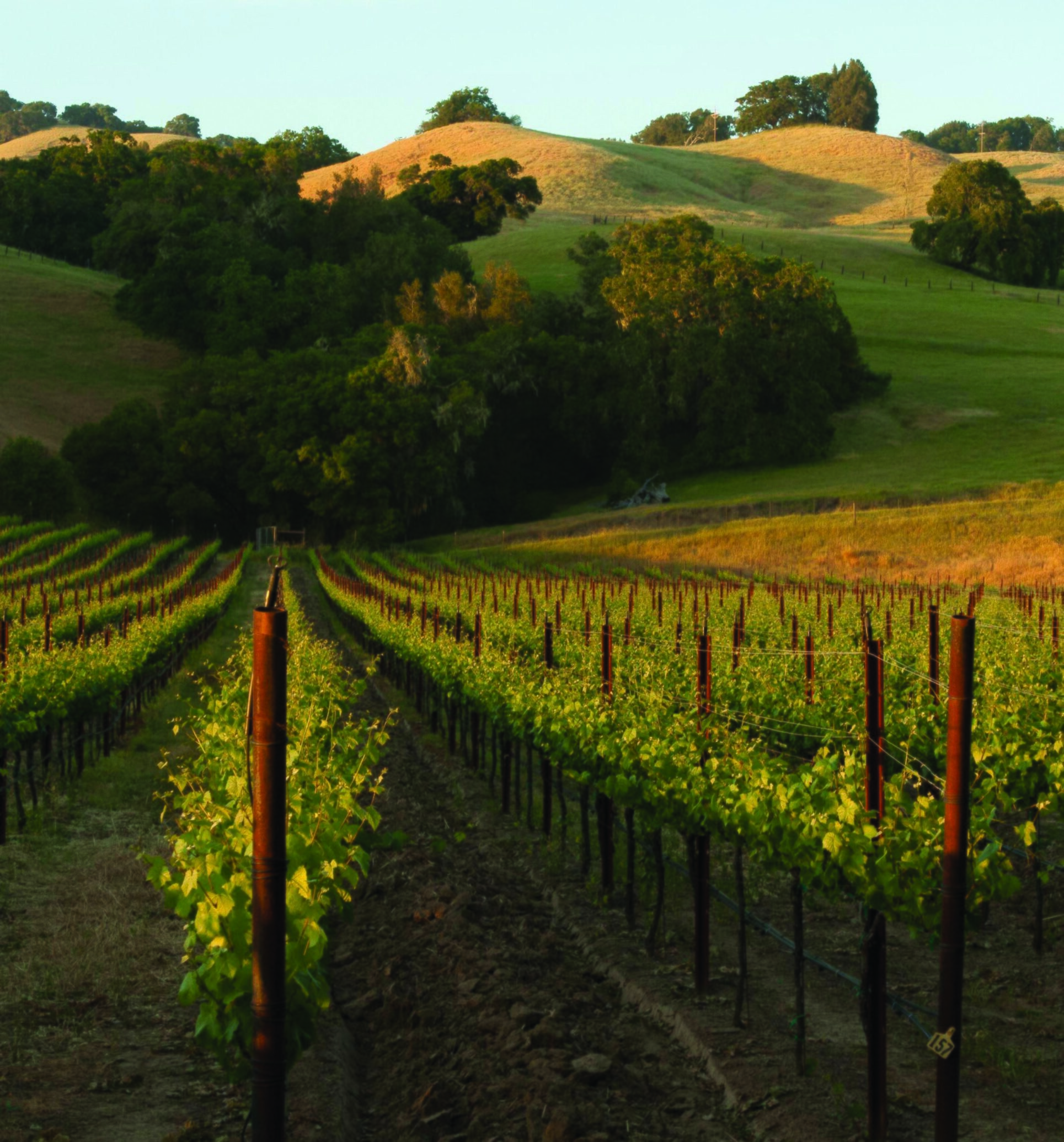
Winemaking in Mendocino County goes back to the mid-1800s, when Italian immigrants settled in the area, drawn by its Mediterranean-style climate. The grapes they brought — Zinfandel, Carignan, Petite Sirah and Barbera — still grow here today, many in over century-old vineyards. These early vineyards laid the foundation for one of the state’s most respected, albeit under-the-radar, winegrowing regions.
Despite being four times the size of Napa County, Mendocino has far less vine acreage, partly because so much of the county is covered by redwoods, rugged mountains and protected wildlands.
But, with 17,000 acres under vine, it’s a region that punches well above its weight. This patchwork of boutique vineyards contributes to a deep diversity of microclimates and wine styles, making it ideal for exploration.
Mendocino County’s 13 AVAs include coastal spots like Anderson Valley and Mendocino Ridge, both ideal for Pinot Noir and sparkling wine, as well as warmer inland regions such as Redwood Valley and Potter Valley, where Zinfandel, Cabernet Sauvignon and Syrah shine.
The county even has the only non-contiguous AVA in the U.S.: Mendocino Ridge, which includes only vineyards planted above 1,200 feet in elevation and within 10 miles of the ocean.
Thanks to its mix of foggy valleys, high-elevation ridges and warm inland basins, Mendocino growers cultivate an impressive 47 grape varieties. Chardonnay leads plantings, followed by Cabernet Sauvignon, Pinot Noir, Sauvignon Blanc and Merlot. White aromatic varieties like Gewürztraminer, Riesling and Pinot Gris thrive on the cooler western side. Meanwhile, the inland “banana belt” provides the warmth for Mediterranean reds and Rhône-style blends.
With a full 25% of its grape production certified organic, Mendocino County boasts one-third of all certified organic wine grape acreage in California. And the region also leads in other areas, from biodynamic farming to zero-waste winery operations and clean energy initiatives.
Pioneering wineries, like Bonterra Organic Estates and Frey Vineyards have made sustainability their core mission. Bonterra Organic Estates is the largest producer of organic wine in the U.S. and is a California Certified Sustainable Winery. Frey Vineyards was the country’s first certified organic winery and later became the first to be certified Biodynamic©.
Many wineries in Mendocino have also adopted advanced waste-reduction systems. Grape pomace is composted and returned to the vineyards to enrich the soil. Cardboard, metal and glass are recycled with intention.
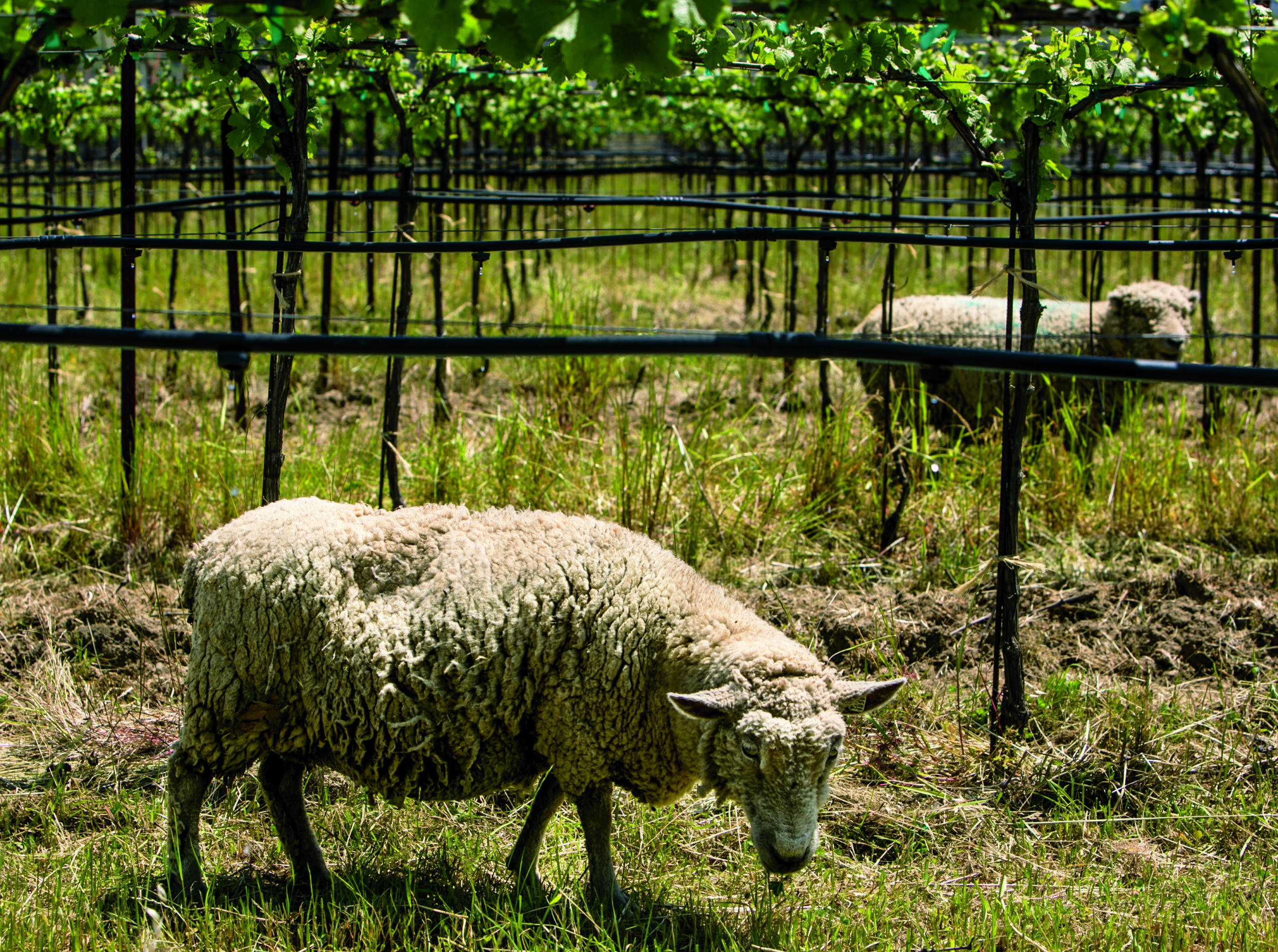
Wineries often conduct solid waste audits to identify areas for improvement and set zero-waste goals. Employees play a crucial role in this process. Trained to sort and recycle properly, they ensure sustainability efforts reach every part of the operation.
Importantly, these efforts are not just about environmental stewardship; they’re part of a broader commitment to quality and transparency. Sustainable practices contribute to soil health, vine longevity and more expressive wines. And for many winemakers, it’s about creating wines that are not only delicious but reflect their place of origin and their values.
With its coastal ridges, quiet valleys and family-owned tasting rooms, Mendocino County offers a tasting experience that’s both scenic and soulful. Here are a few wineries that showcase the region’s diversity:
Barra of Mendocino
This Redwood Valley standout is rooted in heritage — founder Charlie Barra was cultivating wine grapes here long before it was trendy. Today, the organically farmed vineyards yield varieties ranging from Pinot Blanc to Petite Sirah, including a Coro Mendocino blend that captures the AVA’s essence.
Drew Family Wines
Perched on the coastal edge of Mendocino Ridge, Drew specializes in cool-climate Pinot Noir, Chardonnay and Syrah. Their Albariño is also a standout. All wines are farmed organically and crafted with a focus on site expression and traditional methods.
Goldeneye Winery
As Anderson Valley’s most widely known producer of Pinot Noir, Goldeneye crafts full-bodied, expressive bottlings that reflect the region’s marine influence, their elegant tasting room in Philo makes for a polished yet inviting wine experience.
Handley Cellars
A small, family-owned winery in Anderson Valley, Handley has produced Pinot Noir, Gewürztraminer and other aromatic whites for nearly 40 years. Their approach is minimalist and terroir-driven, and committed to sustainable farming and diverse styles.
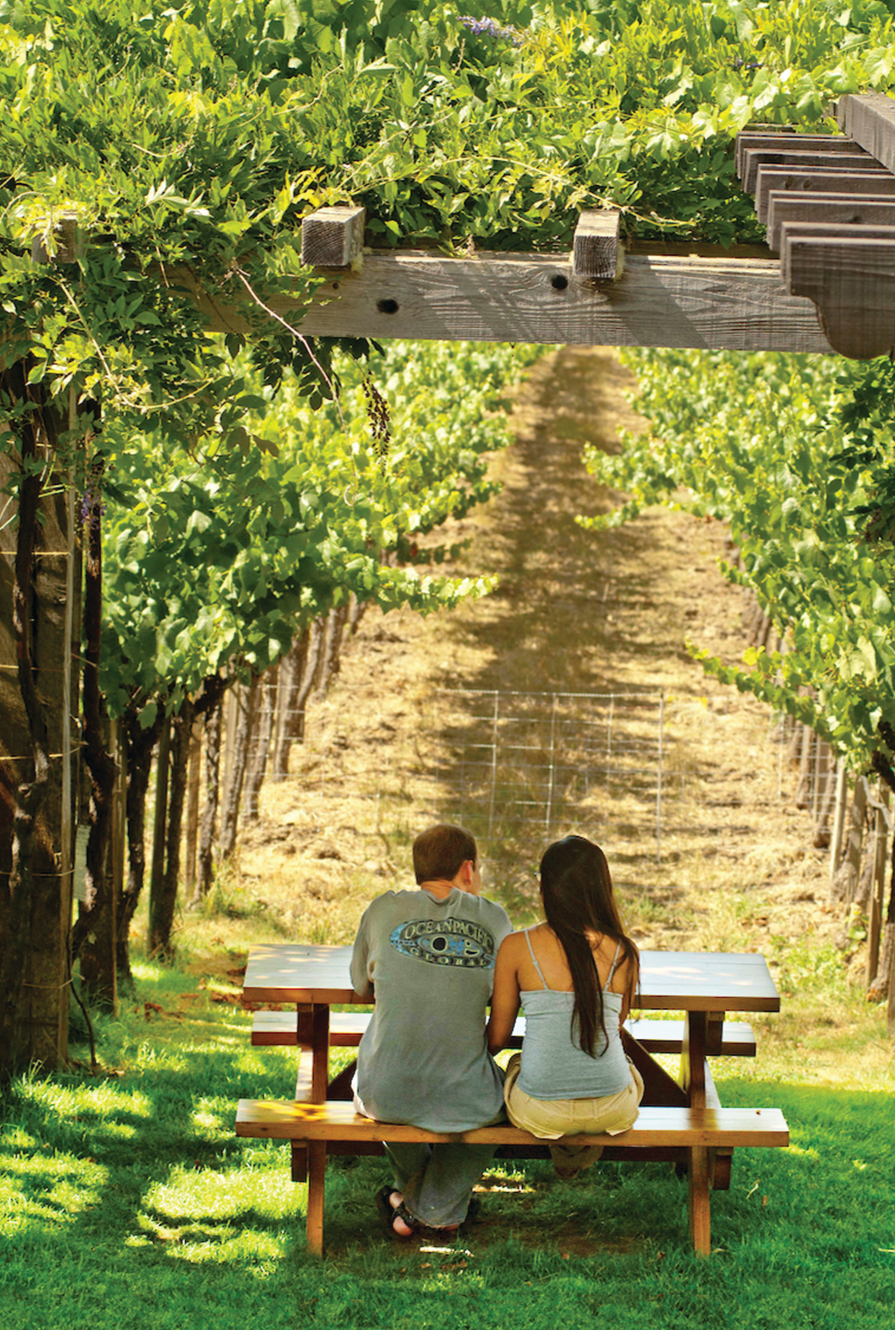
Navarro Vineyards
Along scenic Highway 128, Navarro offers warm hospitality, sustainably farmed vineyards, and a wide array of varieties. Known for their estate Pinot Noir, Riesling and Gewürztraminer, they also offer free tastings and ideal picnic spots.
RIVINO Estate Vineyards & Winery
Set along the Russian River in Ukiah, RIVINO is a family-run boutique winery where small-lot wines are handcrafted from estate-grown grapes. Their Cabernet Sauvignon, Viognier and Rosé are crowd favorites — and the relaxed setting invites lingering.
Roederer Estate
The famed Champagne house Louis Roederer founded this Anderson Valley estate, which is a gold standard for California sparkling wine. Their traditional-method bottlings blend Chardonnay and Pinot Noir, resulting in crisp, complex cuvées worthy of celebration.
Scharffenberger Cellars
A few miles from Roederer, sister winery Scharffenberger has made premium sparkling wines in Anderson Valley since 1981. Sourced from their 120-acre estate, their wines are lively, expressive, and perfect for fans of California bubbles.
Wentworth Vineyards
Nestled in western Mendocino County, Wentworth Vineyards specializes in Pinot Noir, Chardonnay and other cool-climate varietals with a deep commitment to regenerative farming and responsible land stewardship. Visitors can experience their wines firsthand at the Anderson Valley tasting room.
Learn more about Mendocino County Wine to prepare for your next visit.
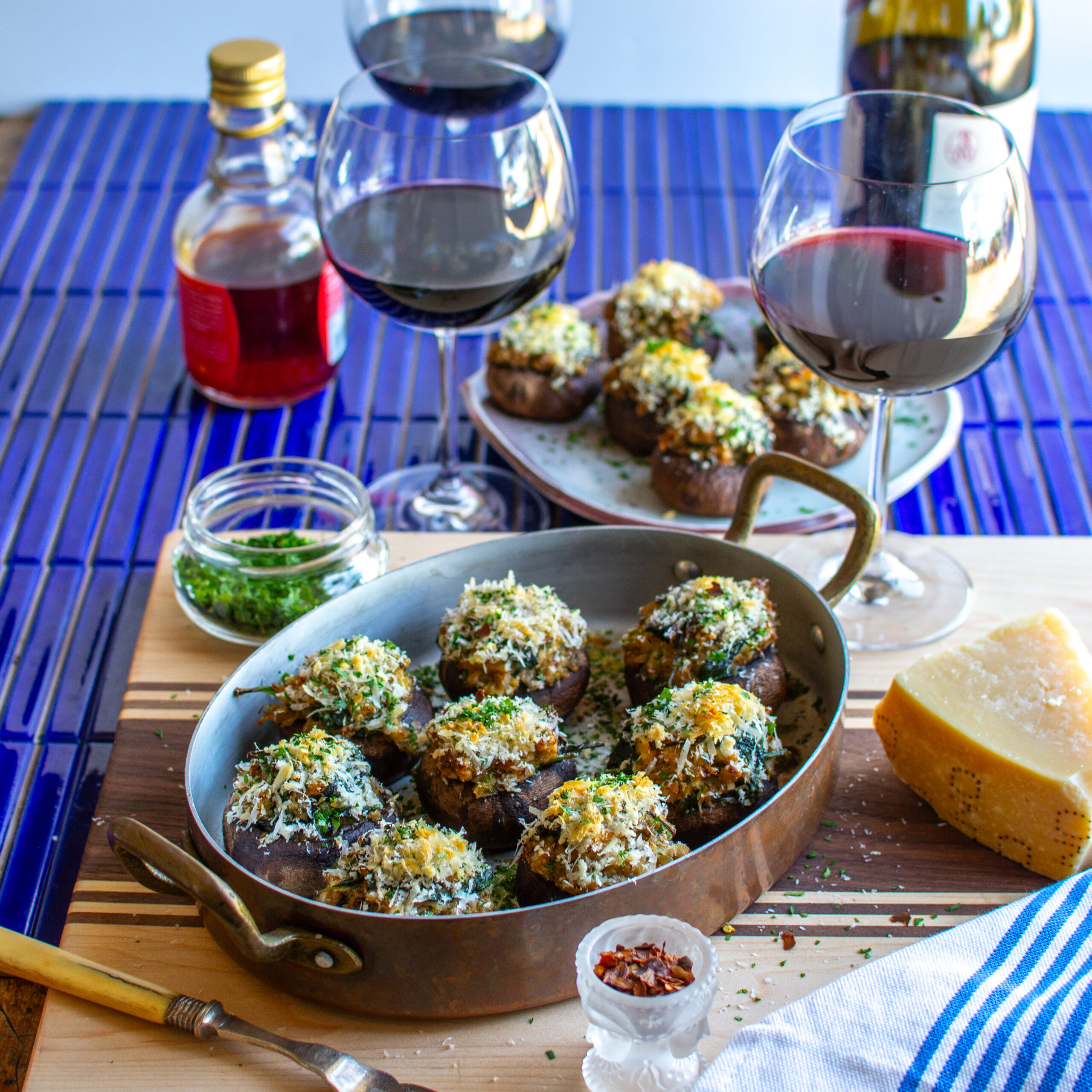
Nothing pairs better with Mendocino County wine than a flavorful, easy-to-make appetizer like Crab and Spinach Stuffed Mushrooms. Serve with a local Pinot Gris or Pinot Noir for a perfect California-inspired bite.
A very sophisticated appetizer that's perfect for the holiday season. A mash up of two favorite nibbles; stuffed mushrooms and crab dip. They are delicious straight out of the oven with a glass of California Pinot Gris or California Pinot Noir. The filling is tender crab meat, garlicky spinach, a little wine and herbs held together with cream cheese and sprinkled with parmesan panko bread crumbs for a crunchy finish.
What grapes is Mendocino County wine known for?
Mendocino County wine is celebrated for its Pinot Noir, Chardonnay, Zinfandel, Cabernet Sauvignon and aromatic whites like Riesling and Gewürztraminer.
How many AVAs are in Mendocino County?
There are 13 official AVAs in Mendocino County, spanning coastal, mountainous and inland zones. Each offers a unique terroir and expression.
Is Mendocino County wine sustainable?
Mendocino leads the U.S. in certified organic winegrape acreage and is home to many pioneering sustainable and biodynamic wineries.
What makes Mendocino County wine unique?
Its mix of ocean-influenced and warm inland climates, small-scale vineyards, and commitment to sustainability give Mendocino County wine a distinct identity rooted in place and purpose.
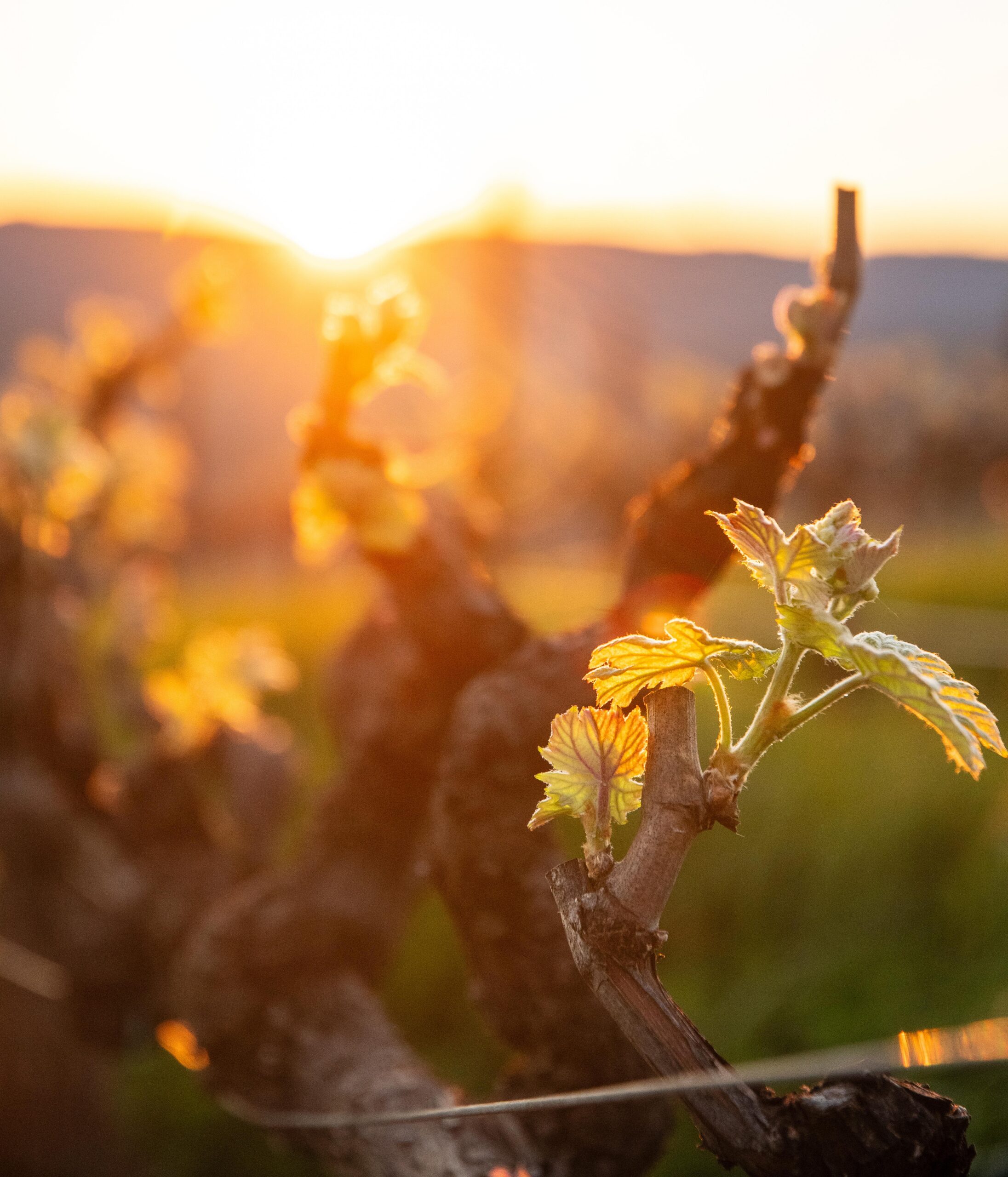 How Climate Affects Wine: Rain, Fog & Sunshine Explained
Discover how California’s diverse climates — from sunny inland valleys to foggy coastal vineyards — sha...
Read the Article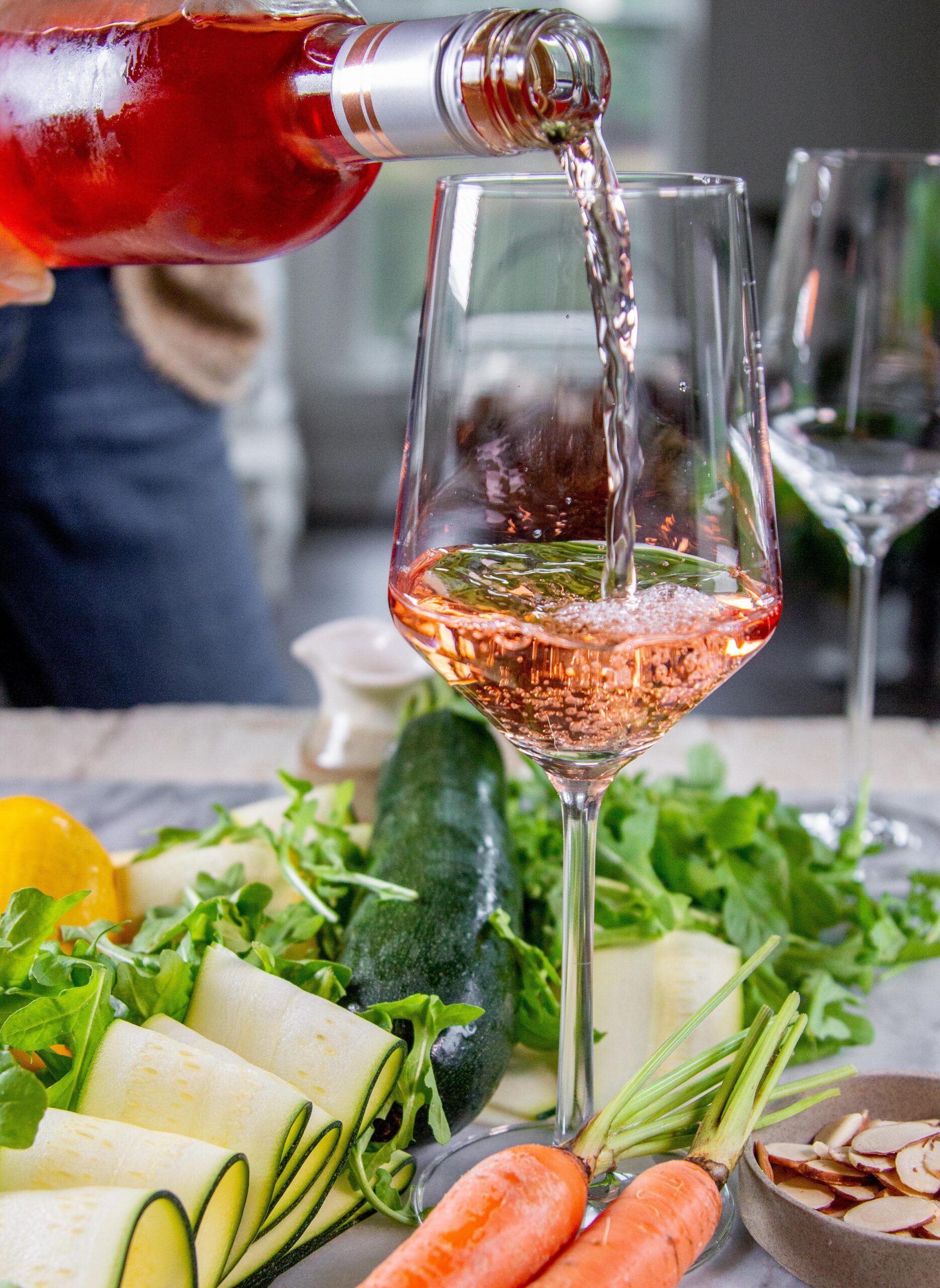 California Rosé: Made for More Than Just Summer
Let's clear something up: rosé is more than just a poolside wine. California rosé comes in a wide range of ...
Read the Article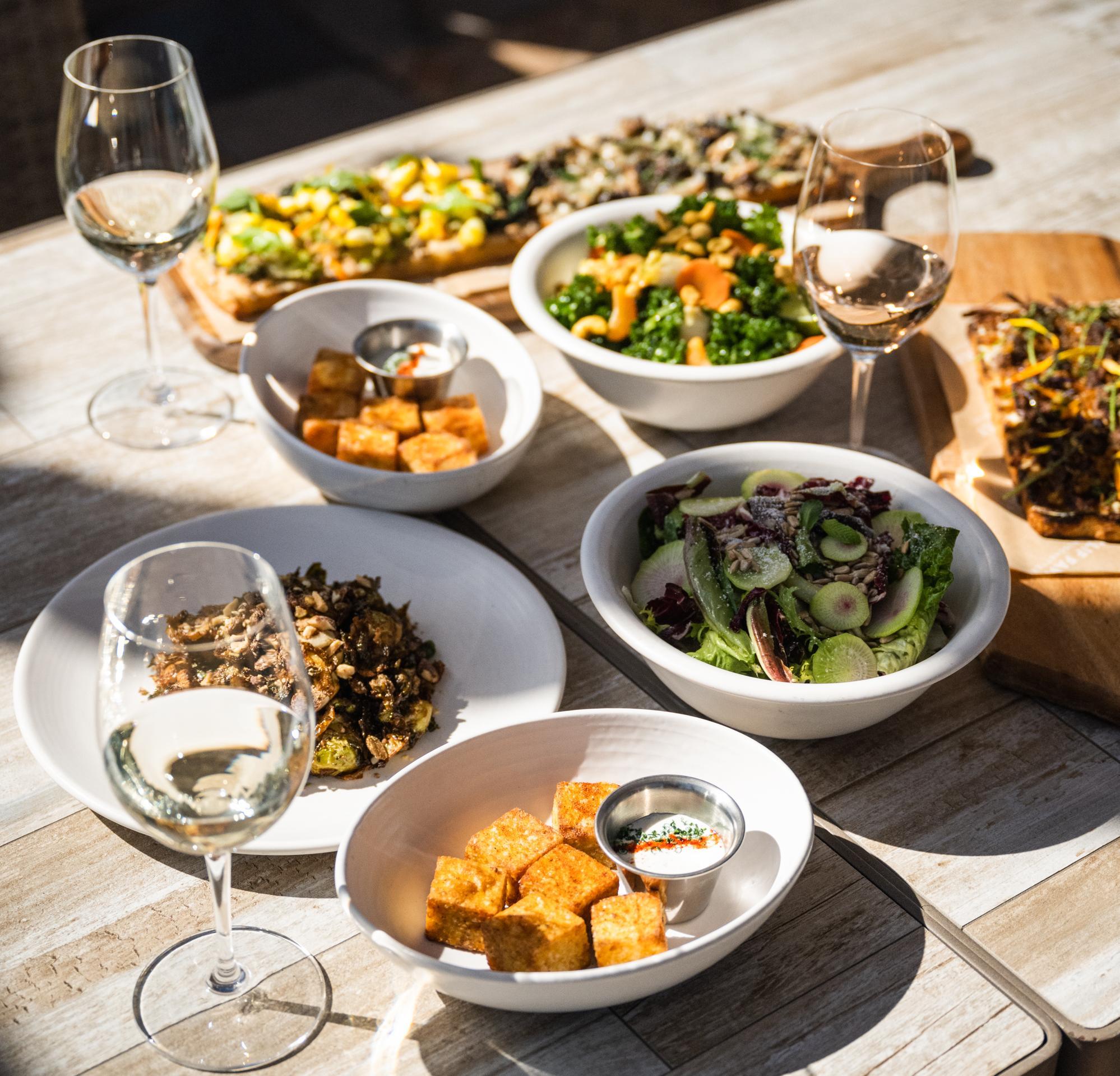 Wine and Food Pairing: What Grows Together Goes Together
In California, wine and food pairing often starts with a simple idea: what grows together goes together. The ...
Read the Article California Sauvignon Blanc: Bright, Crisp and Easy to Love
Crisp, bright and refreshing, California Sauvignon Blanc is a white wine that delivers big flavor with an eas...
Read the Article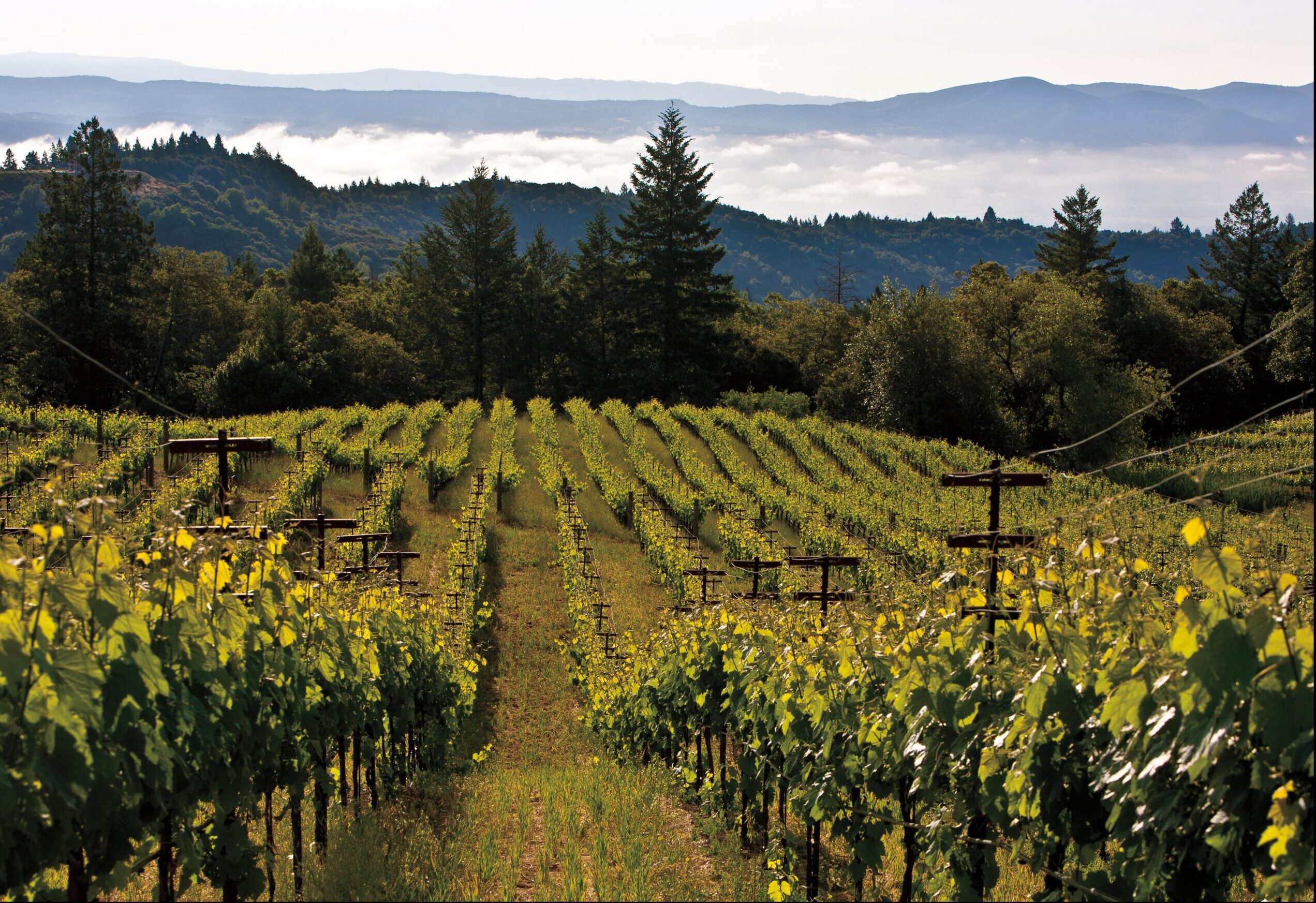 Sustainable California Wine: How California Wineries Celebrate Down to Earth Month Year-Round
When people search for sustainable California wine, they’re really asking one simple question: What does su...
Read the Article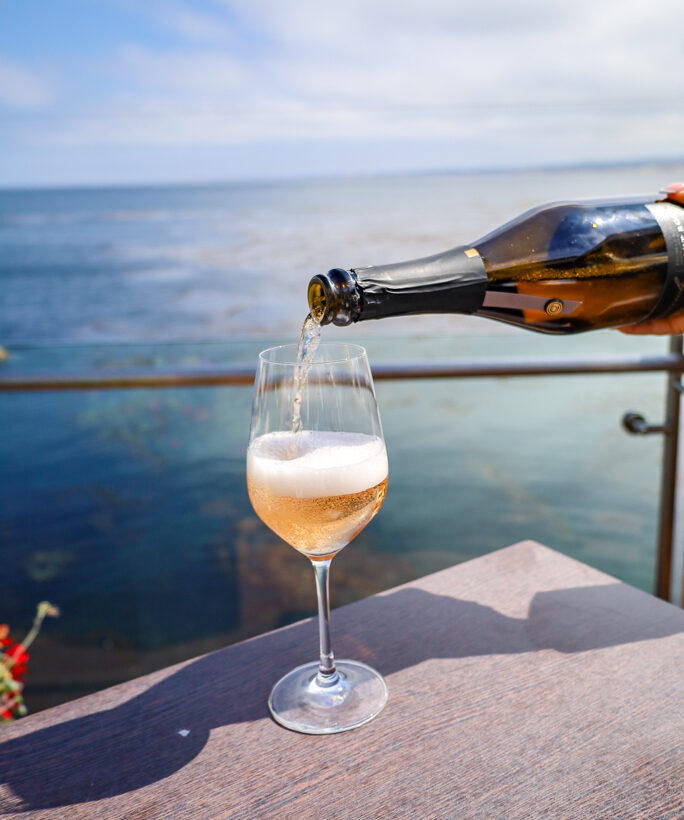 California Sparkling Wine: What to Know Before You Pop the Cork
Who says you need a special occasion to pop a bottle of California sparkling wine? Bright, crisp and incredib...
Read the Article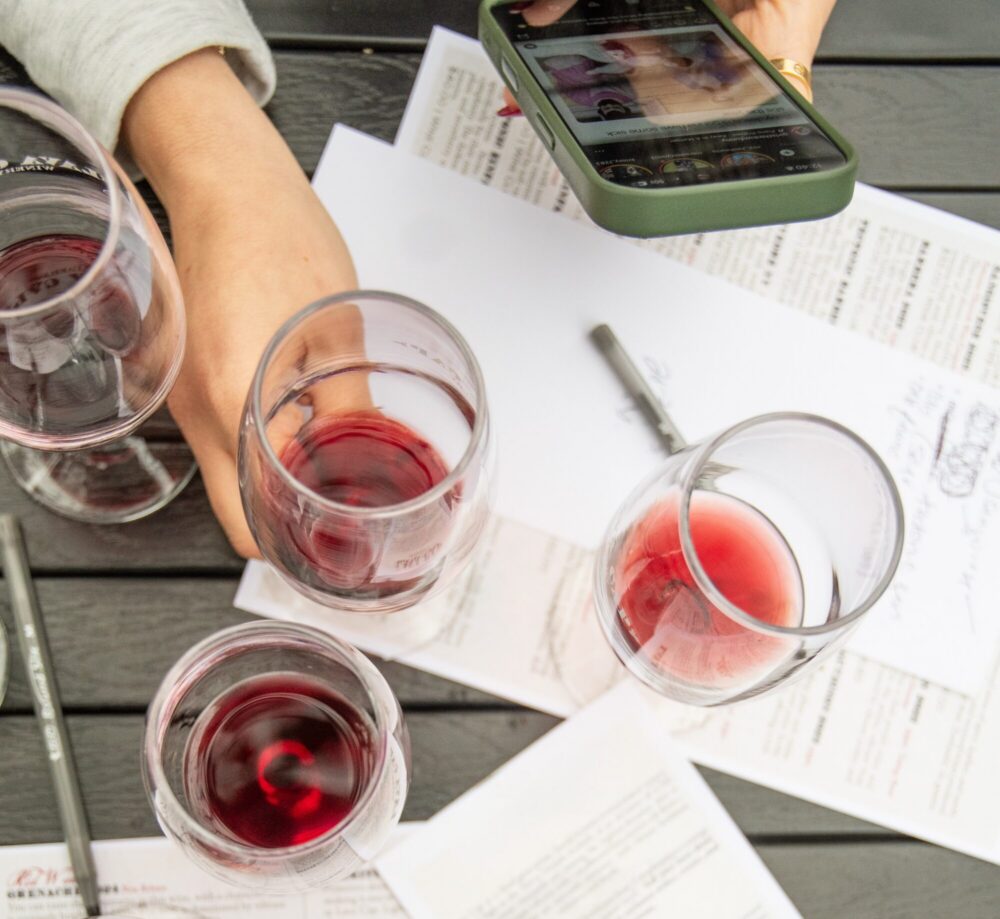 The Wine Guide: Start Here to Enjoy California Wine
New to wine? This California wine guide breaks down how to choose, taste, serve and enjoy California wines wi...
Read the Article Lake County Wine Country For Volcanic Vines and Fresh Mountain Air
Just north of Napa and Sonoma, Lake County wine offers a refreshing blend of dramatic landscapes and exceptio...
Read the Article