Search
Travel, Wine

San Benito County Wine Is A Central Coast Hidden Gem

Tucked between Monterey and the Central Valley lies a California wine destination few have discovered but many should: San Benito County wine country. San Benito’s legacy makes it a destination for anyone serious about California wine.

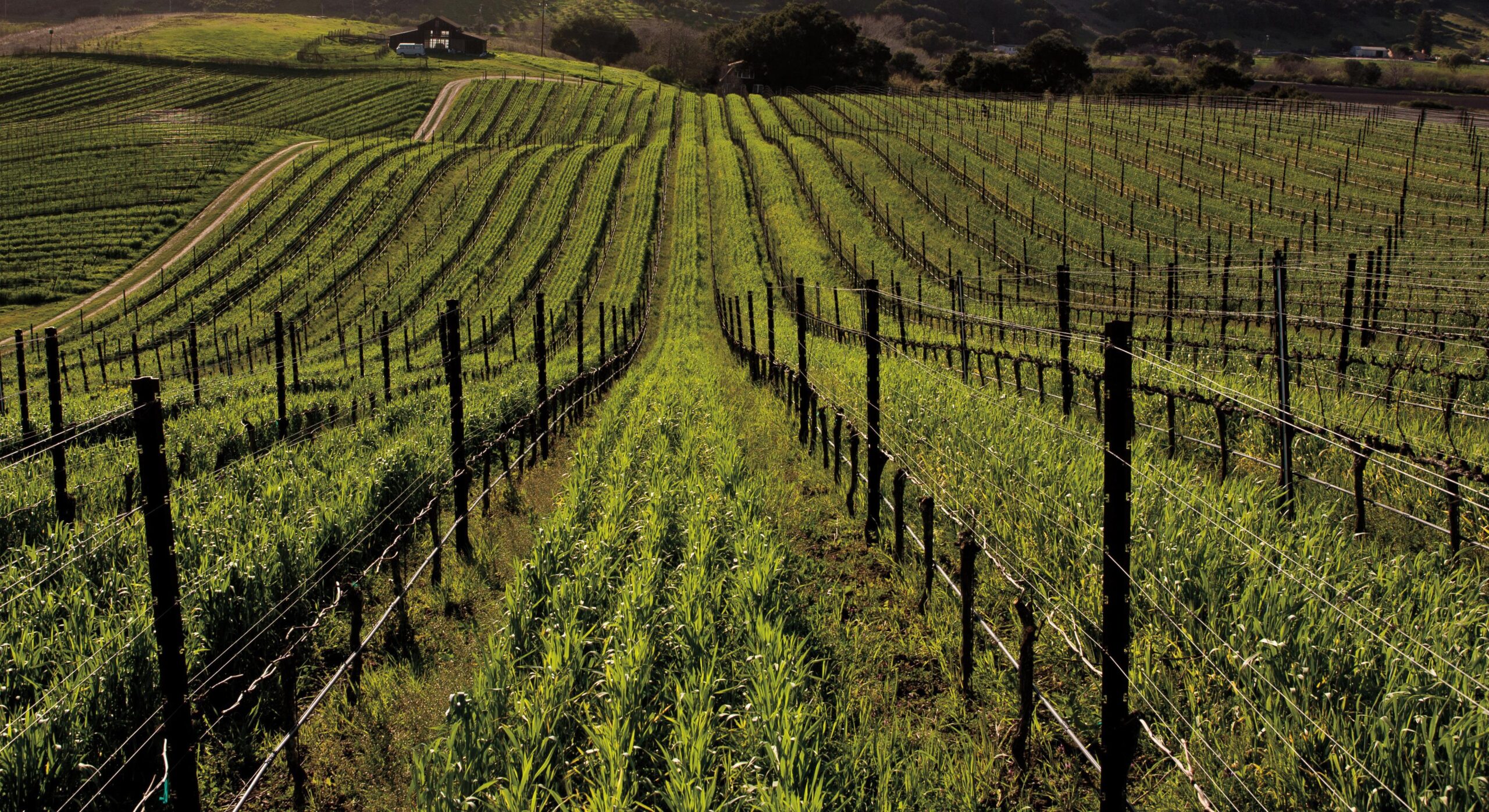
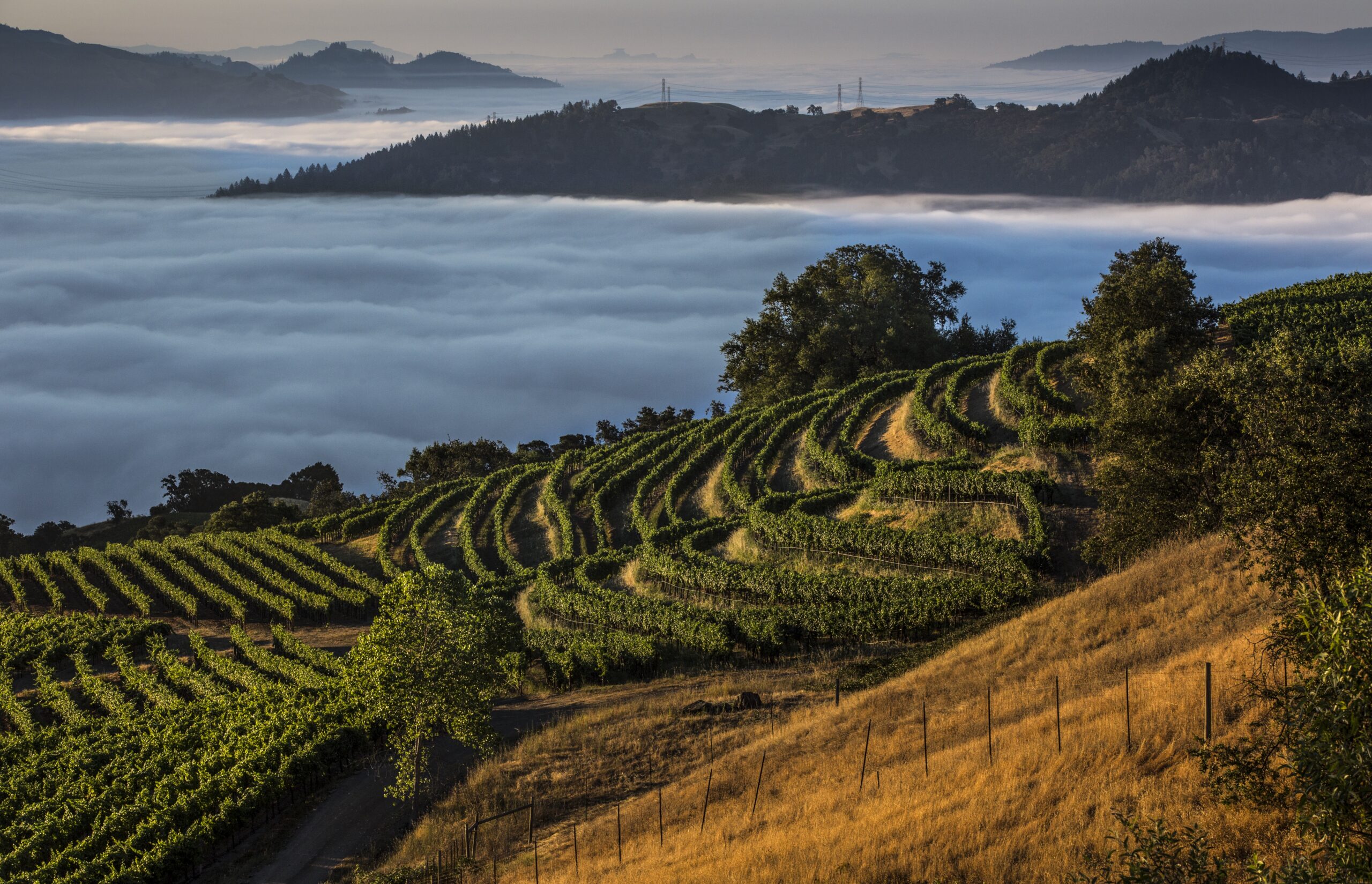
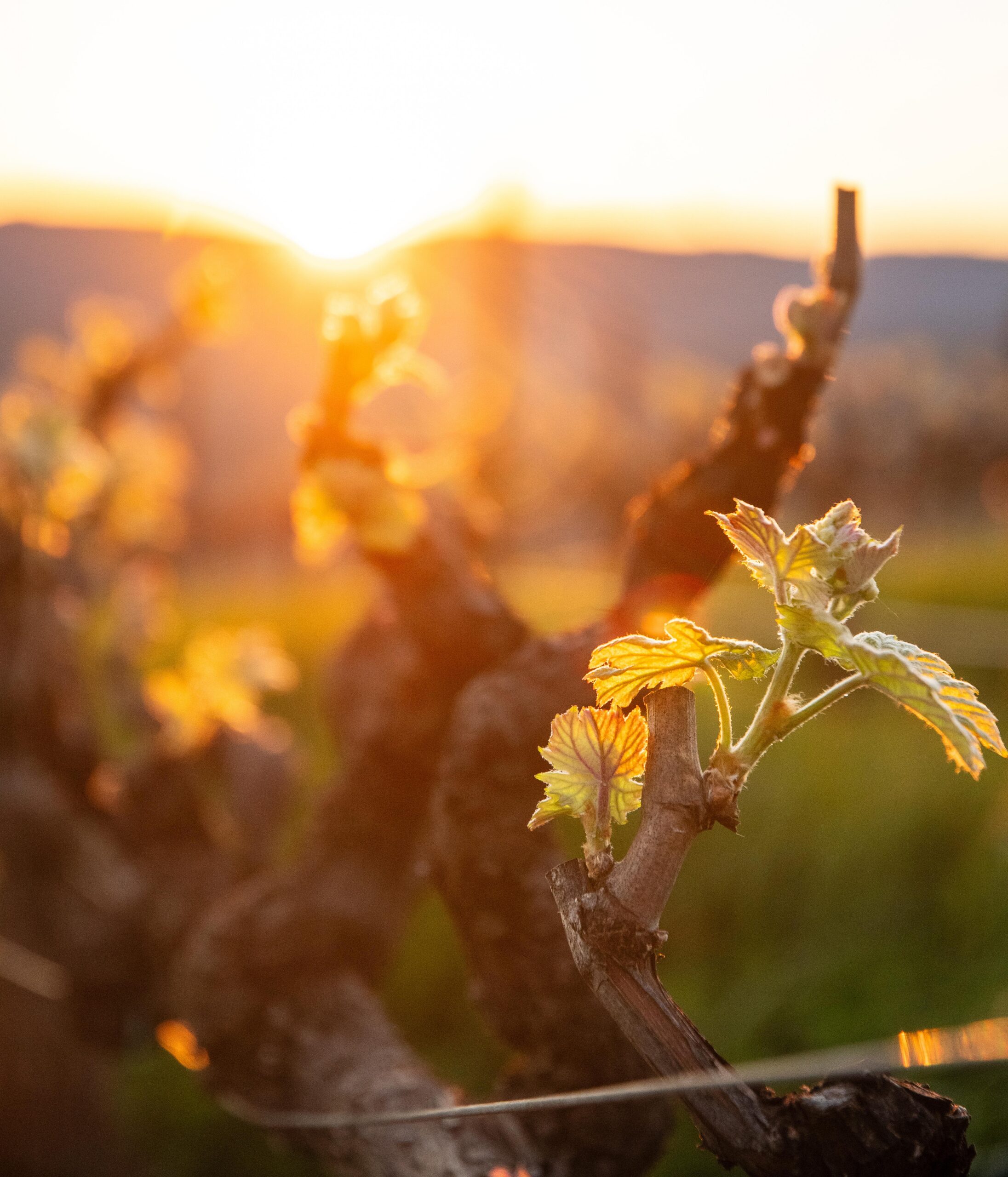
san benito county vineyard

From volcanic cliffs and marine fossils to old-vine fruit and Pinot Noir vineyards thriving along the San Andreas Fault, San Benito County wine is worth getting to know.

Discover California Wines is an initiative by Wine Institute, an association of more than 1,000 California wineries and wine-related businesses. In this article, we’ll explore what makes San Benito County wine truly special, from its deep roots and historic vineyards to its sustainable farming practices and must-visit tasting rooms.

A Land of Legacy and Limestone

San Benito County sits just inland from Monterey Bay, surrounded by the Gabilan and Diablo ranges. Although landlocked, it benefits from the same cool, coastal influences that shape much of California’s top winegrowing regions. 

In fact, the nearby Monterey Canyon, one of the world’s deepest submarine canyons, draws in cooling marine air that snakes through the mountains and softens the inland heat. Here, limestone-rich soils, granite and ancient seabed deposits all come together in a patchwork of terroirs. 

This diversity of terroir is reflected in San Benito’s seven distinct American Viticultural Areas (AVAs), including all or parts of Mt. Harlan, Chalone, Lime Kiln Valley, Paicines, San Benito, Cienega Valley and Pacheco Pass. These AVAs span a range of elevations, slopes and soil types, offering ideal conditions for crafting a wide range of wines.
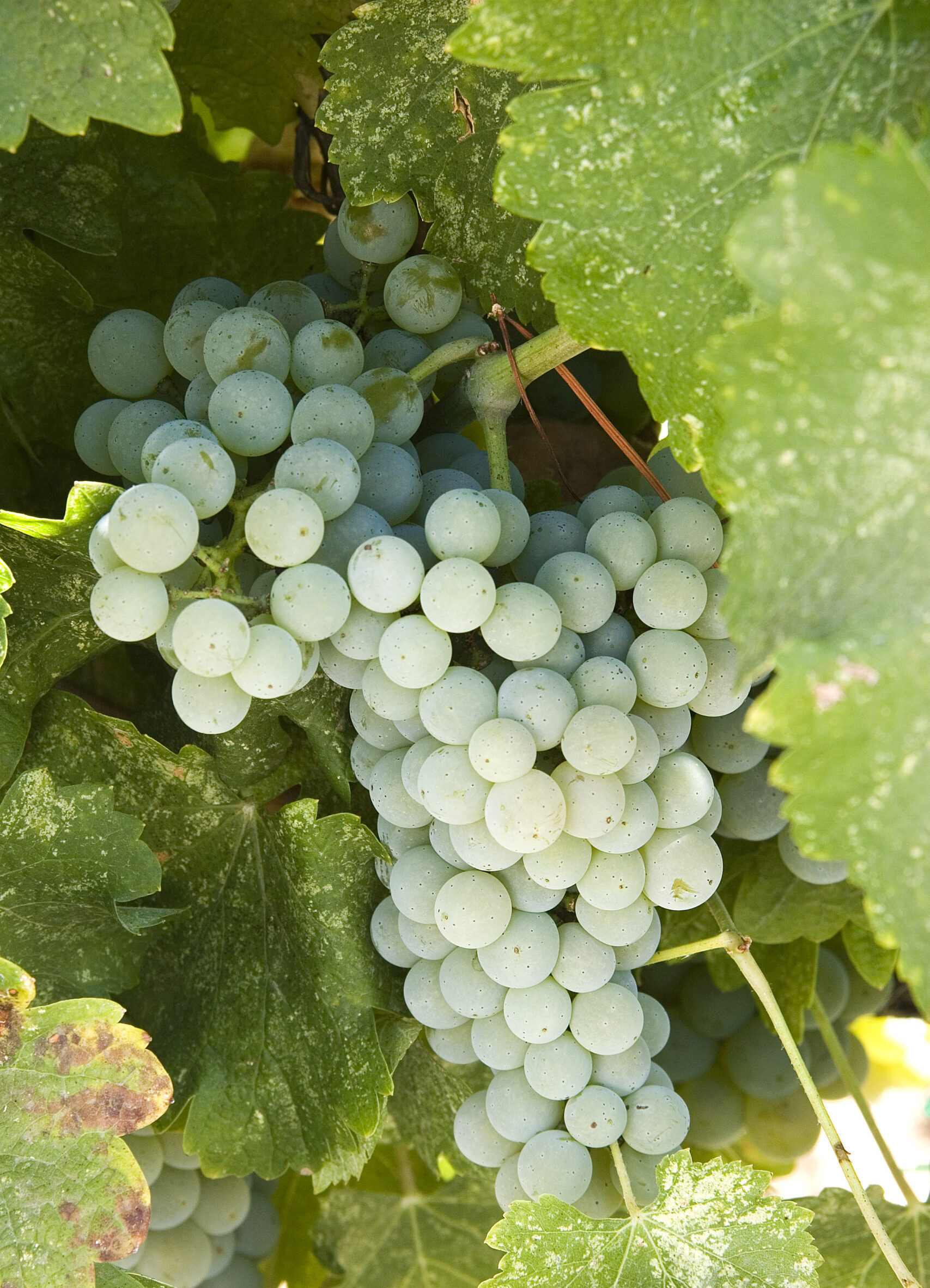
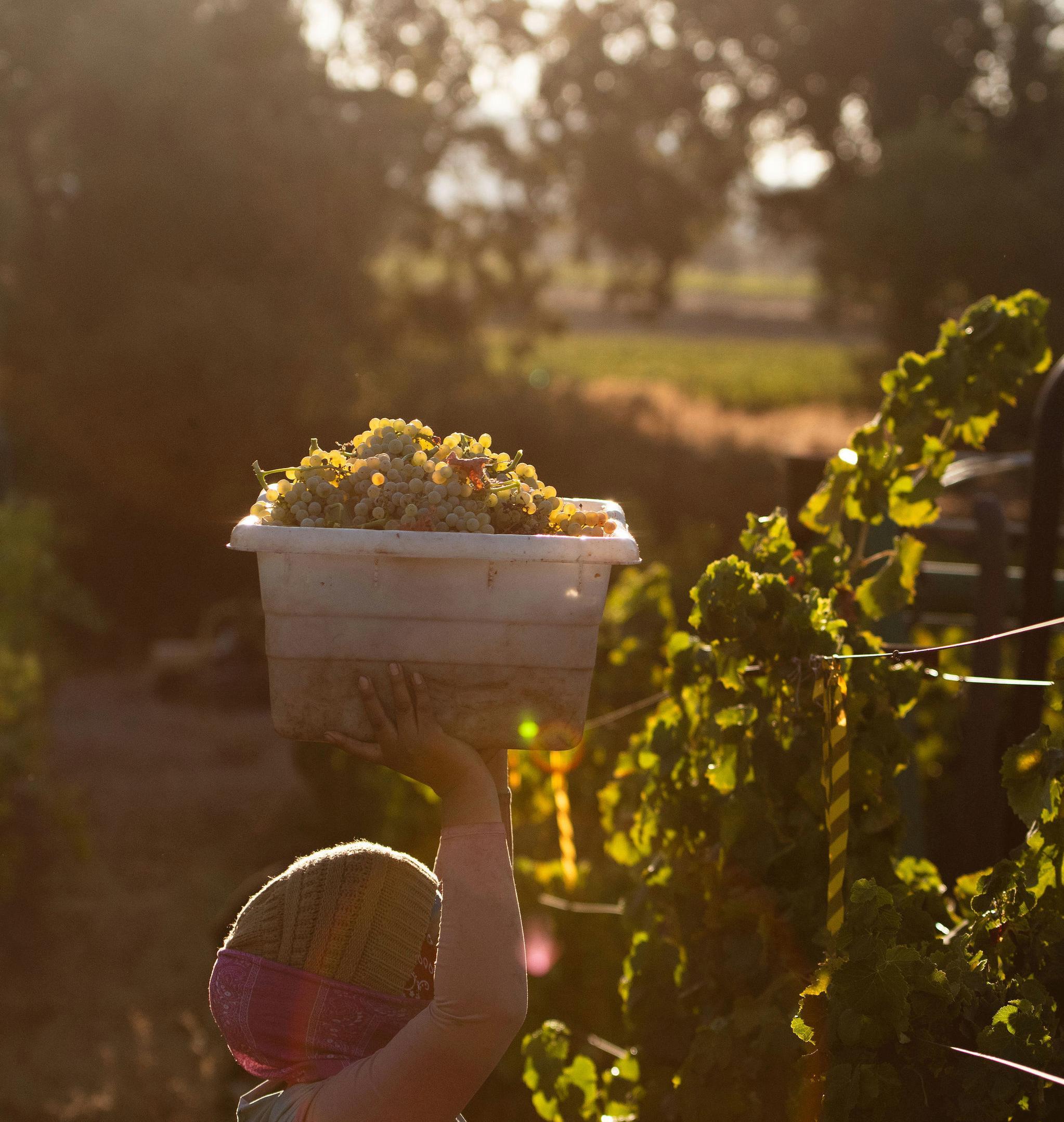
san benito county winegrapes

A Wine Region for the Curious

San Benito County wine offers profound depth and a strong sense of place. In the cooler AVAs like Mt. Harlan and Chalone, you’ll find Pinot Noir and Chardonnay made in a focused, mineral-driven style. In warmer areas like Paicines and Lime Kiln Valley, Cabernet Sauvignon, Merlot, and Zinfandel thrive, producing robust reds with structure and spice.

As of today, Pinot Noir and Chardonnay are the most widely planted grapes, comprising more than half the vineyard acreage. But what sets San Benito apart is the preservation of heritage varieties and vineyards. 

Sites like the Wirz, Chalone and Enz maintain old-vine Riesling, Chenin Blanc and Mourvèdre, providing fruit to some of California’s most respected winemakers.

A few more unique qualities that make San Benito so exciting is:

  • Terroir diversity: Soils here shift from granite to limestone within feet, thanks to millennia of seismic activity.
  • High elevation: Many vineyards sit between 1,000 and 2,200 feet, encouraging slow ripening and excellent acid retention.
  • Cool-climate influences: Despite its inland location, marine fog and coastal winds cool the vines, especially in the Cienega Valley and Mt. Harlan AVAs.
  • Handcrafted production: Most wineries here are small, family-run and focused on expressing the character of the land.

Sustainability in Every Sip

In San Benito County, sustainability goes beyond the vineyard into every purchase a winery makes. As with other regions of California, many producers adhere to the California Code of Sustainable Winegrowing, a statewide set of best practices that address everything from water conservation and energy use to biodiversity and sustainable packaging.

Using sustainable packaging means wineries prioritize goods and services with minimal environmental impact. From recycled-content supplies to energy-efficient equipment, these thoughtful decisions help wineries reduce waste and protect resources from the ground up.

Wineries carefully vet packaging and materials for sustainability, often working with vendors to eliminate excess outer packaging or reclaim unused materials. These steps help limit landfill waste and lower operating costs. 

Shipping materials are also chosen for their recyclability or high recycled content. Many producers now use lightweight glass bottles, which cut greenhouse gas emissions in the production of the glass bottles and the fuel required for transport.

Though it takes time to implement, wineries view it as a wise investment that solidifies the commitment to sustainable winegrowing from grapes to glass.


Wineries to Explore in San Benito County

To understand the scope of San Benito County wine, you need to taste across its varied AVAs. Here are a few wineries to know:

Calera Wine Company (Mt. Harlan AVA)
Founded in 1974 by the legendary Josh Jensen, Calera is widely credited with putting Central Coast Pinot Noir on the map. Planted on limestone at high elevation, these vineyards produce focused, long-lived wines with elegance and verve.

Eden Rift Vineyards (Cienega Valley AVA)
One of California’s oldest continually producing vineyard sites, Eden Rift dates back to 1849. Today, the wines are site-driven and expressive, from mineral-rich Chardonnay to robust old-vine Zinfandel grown near the San Andreas Fault.

Alba Coast Winery (Paicines AVA)
Formerly Blossom Hill, this historic estate is now part of Delicato Family Wines. Located in one of the region’s warmest AVAs, the site produces approachable, sun-kissed reds and whites, ideal for picnics and casual tasting experiences.

Learn more about San Benito County to prepare for your next visit.

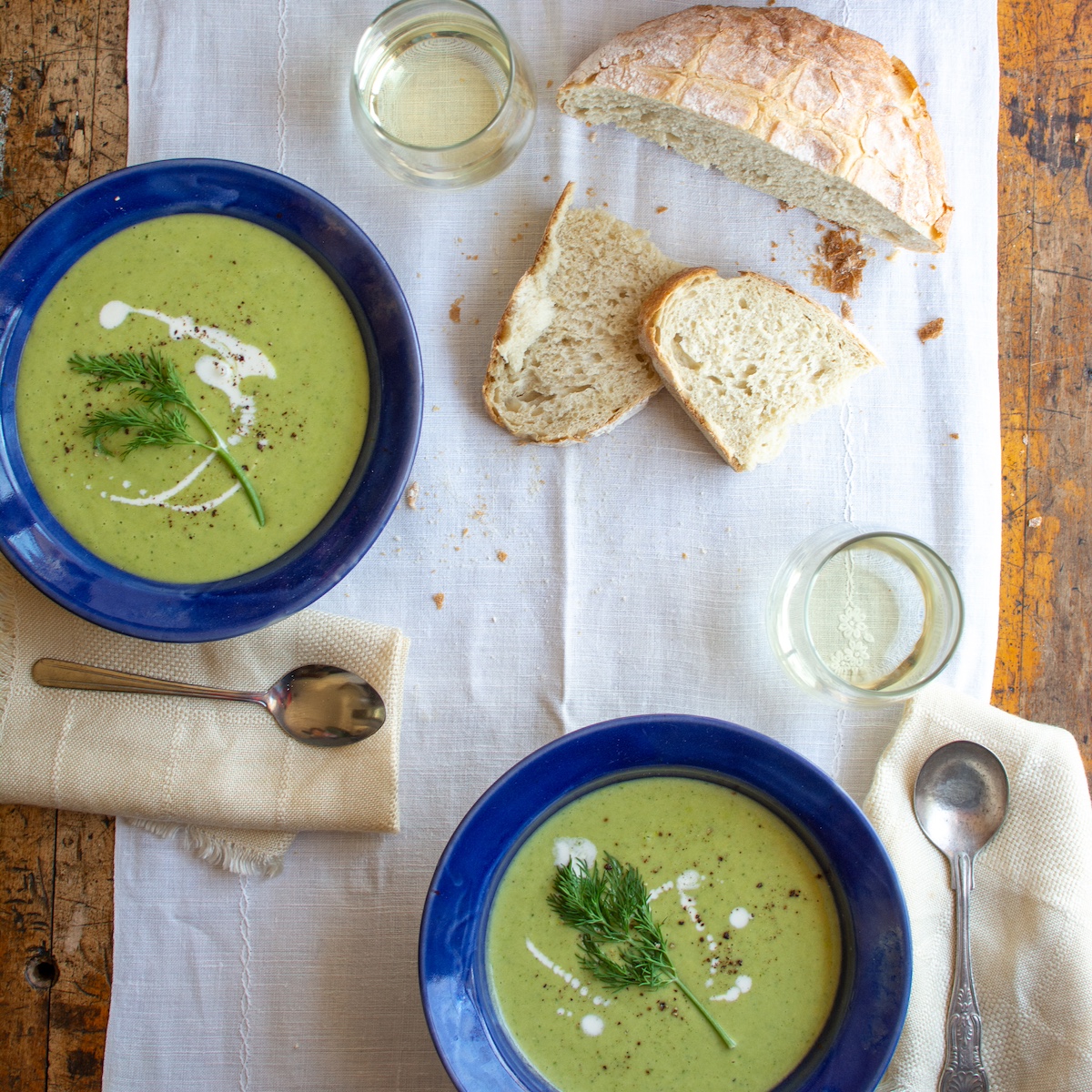
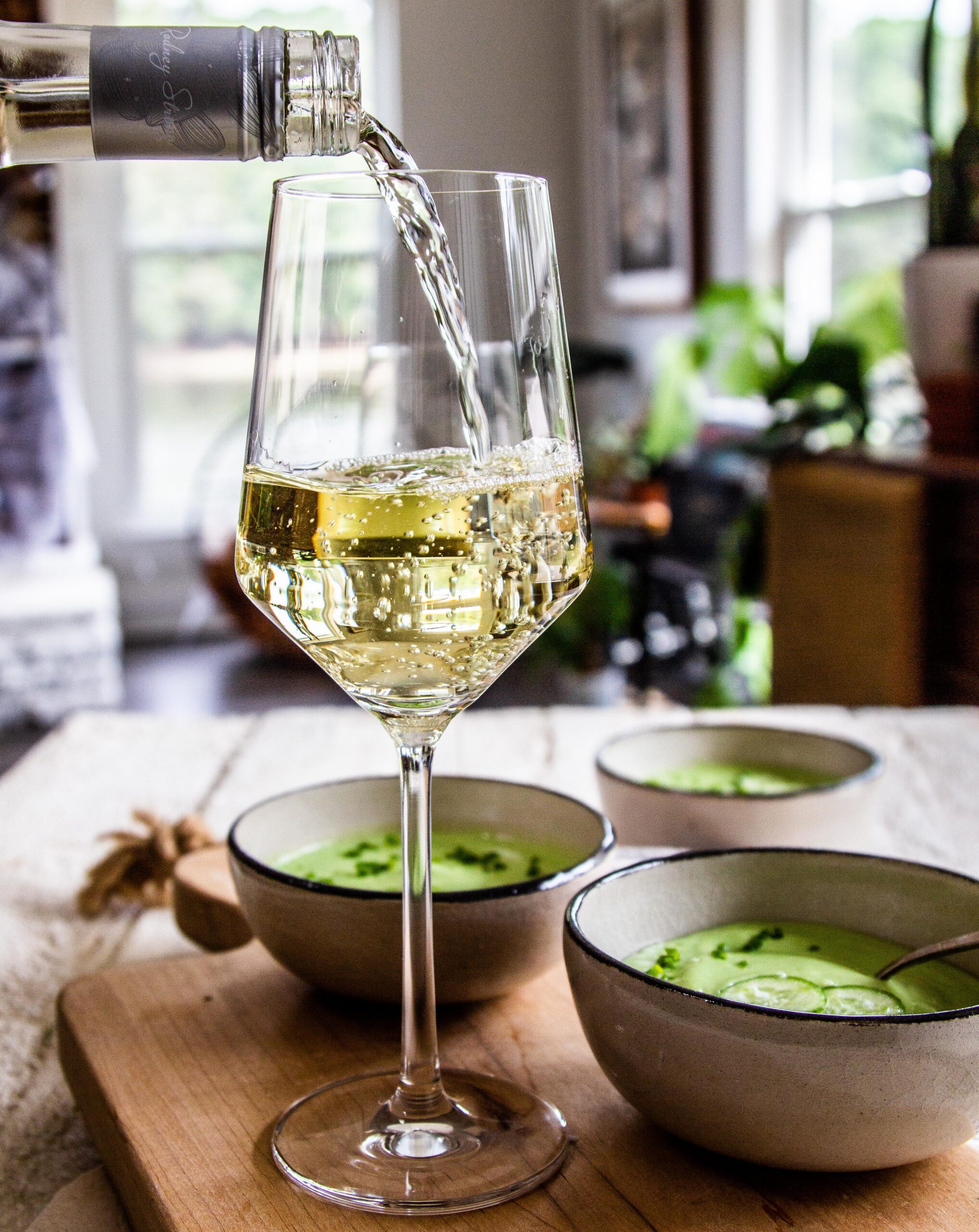
Nothing pairs better with San Benito County wine than a laidback dish like this Creamy Celery Potato Soup with Dill. Serve with a local Chardonnay or Sauvignon Blanc for a perfect taste of the Golden State.

Creamy Celery Potato Soup with Dill

One bite of this lush soup and you’ll immediately add it to the cozy comfort foods you love. The ingredients are humble but combine to create a dish that is far greater than the sum of its parts. Subtle and slightly sweet celery is pureed until silky and smooth with creamy potatoes and aromatic leeks. The soup is rich and creamy all on its own but takes on an extra level of luxury with the addition of cream. We recommend serving this soup with crusty bread for dipping and a glass of California Chardonnay or California Sauvignon Blanc.

Creamy Celery Potato Soup with Dill

Ingredients

  • 8 tablespoons (115g) unsalted butter
  • 6 cups (706g) chopped celery
  • 2 medium (325g) Russet potatoes, peeled and chopped
  • 1 leek (156g), washed well and chopped
  • 2 teaspoons celery salt
  • 2 teaspoons kosher salt, plus more to taste
  • ½ teaspoon freshly ground black pepper, plus more to taste
  • 4 cups (1 liter) chicken broth
  • 3 dried bay leaves
  • ¾ cup (35g) chopped Italian parsley
  • 1 cup (27g) spinach leaves
  • 1/2 cup (22g) fresh dill, plus more for garnish
  • ½ cup (125ml) heavy cream, plus more for garnish (optional)

Directions

  • Melt butter in a large pot over medium heat. Add the celery, potatoes, leek, celery salt, kosher salt and black pepper. Cook, stirring occasionally, until vegetables are tender, about 20 minutes.
  • Add broth and bay leaves, simmer for 10 minutes. Remove from heat and let cool slightly. Remove the bay leaves
  • Transfer to a blender (you may need to do this in batches depending on the size of your blender). Add the parsley, spinach and ½ cup of dill to the blender and blend until smooth. Adding these ingredients off the heat keeps the soup a beautiful shade of green.
  • Return soup to the pot, add cream (if using) and bring to a simmer. Taste and add more salt and pepper if needed.
  • Garnish with more fresh dill, some more freshly ground black pepper and a swirl of cream, if you’d like and serve.

Frequently Asked Questions

What types of wine is San Benito County known for?
San Benito County is known for Pinot Noir, Chardonnay, Cabernet Sauvignon, Merlot and old-vine Riesling.

Where is San Benito County located?
It lies inland from Monterey, bordered by Santa Clara, Merced and Fresno Counties, and is the only landlocked region in the Central Coast AVA.

What makes San Benito wine unique?
Its limestone-rich soils, calm marine winds and high elevations give its wines a distinctive freshness and structure.

Is San Benito County a sustainable wine region?
Yes, many wineries here follow California’s Sustainable Winegrowing practices, from eco-friendly packaging to soil preservation and waste reduction.

Follow us @California.Wines

Continue Reading

wine tastingThe Wine Guide: Start Here to Enjoy California Wine

New to wine? This California wine guide breaks down how to choose, taste, serve and enjoy California wines wi...

Read the Article
Lake County wineryLake County Wine Country For Volcanic Vines and Fresh Mountain Air

Just north of Napa and Sonoma, Lake County wine offers a refreshing blend of dramatic landscapes and exceptio...

Read the Article
California Cabernet SauvignonCalifornia Cabernet Sauvignon: Bold, Balanced and Built for the Table

When people think of California wine, Cabernet Sauvignon often comes to mind first. Known for its structure, ...

Read the Article
san benito county vineyardSan Benito County Wine Is A Central Coast Hidden Gem

Tucked between Monterey and the Central Valley lies a California wine destination few have discovered but man...

Read the Article
Game day california winesCelebrate Game Day with California Wines

The big game is coming up and we have you covered with fabulous food and California wine pairings.

Read the Article
mendocino county vineyardMendocino County Wine: A North Coast Original

About 130 miles north of San Francisco, California's Mendocino County wine country is a rugged and forested a...

Read the Article
santa clara wine grapesSanta Clara Valley: A Wine Region with Deep Roots

The Santa Clara Valley may be best known as the heart of Silicon Valley, but long before tech took center sta...

Read the Article
holiday wine and movie pairingSip, Stream & Celebrate: California Wine Pairings for Your Favorite Holiday Movies

Here’s your ultimate guide to pairing California wines with classic holiday movies — because great films ...

Read the Article
Become a Wine Insider