 Language
Travel, Wine
Lake County Wine Country For Volcanic Vines and Fresh Mountain Air
Just north of Napa and Sonoma, Lake County wine offers a refreshing blend of dramatic landscapes and exceptional craftsmanship.
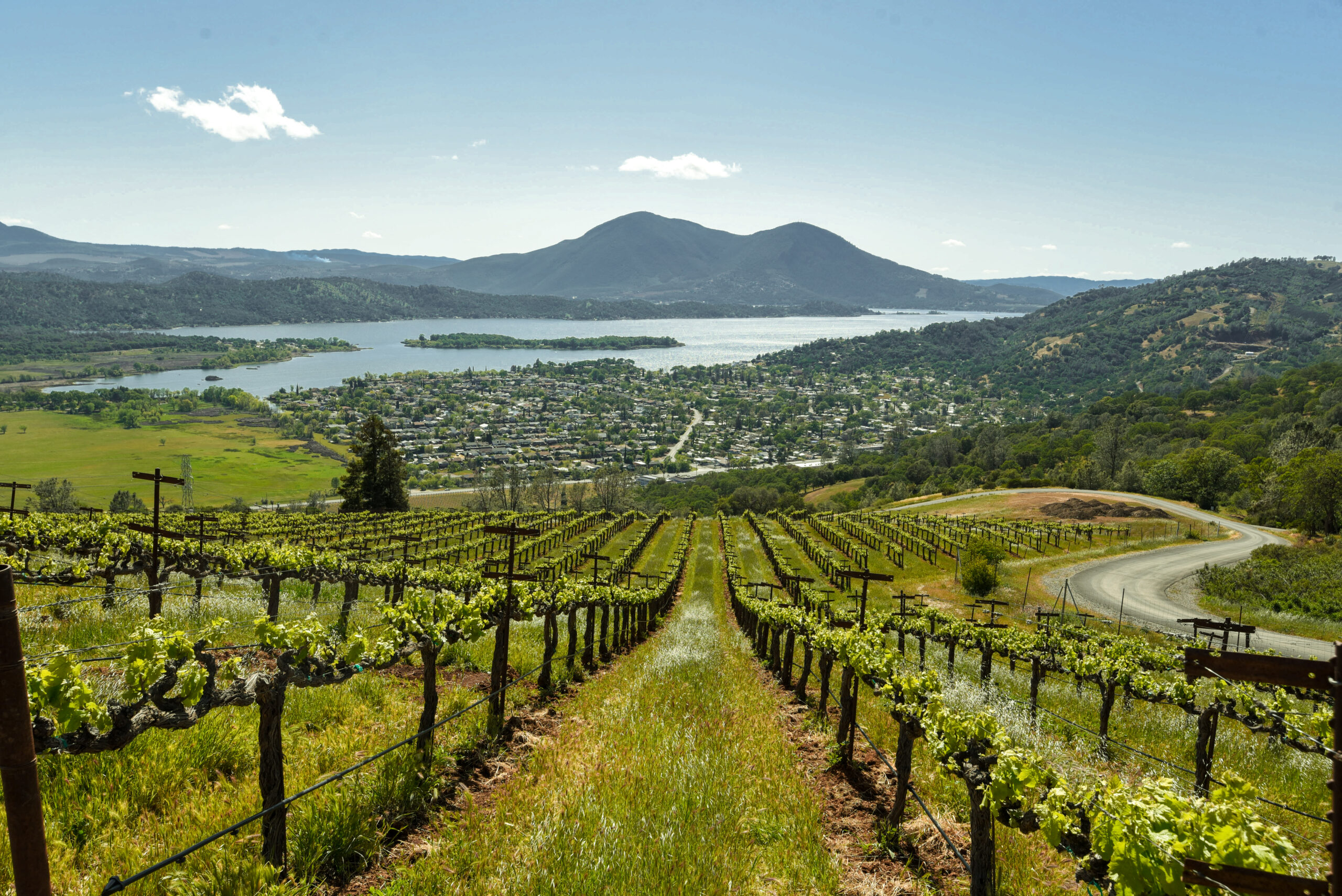
Just north of Napa and Sonoma, Lake County wine offers a refreshing blend of dramatic landscapes and exceptional craftsmanship.
Defined by its namesake, Clear Lake, California’s largest natural freshwater lake, this North Coast region sits at high elevation, surrounded by rugged volcanic ridges. Here, grapevines thrive in red soils born of ancient eruptions, and each glass captures the energy of this untamed terrain.
Discover California Wines is an initiative by Wine Institute, an association of more than 1,000 California wineries and wine-related businesses. In this article, we’ll explore what makes Lake County Wine special.
Lake County’s viticultural story began in the 1870s, when settlers planted vineyards in the fertile soils around Clear Lake. By the early 1900s, local wines had already gained international recognition for their quality. But as with much of California, Prohibition halted progress, and vines gave way to other crops.
The region’s potential was rediscovered in the 1960s and 1970s during the state’s wine renaissance. Modern winemakers were drawn to its clear air, warm days and cool nights, a natural formula for producing grapes with vibrant acidity and concentrated flavors.
Today, Lake County covers 1,329 square miles, with vineyards primarily clustered in the southern half near Clear Lake. Despite its large size, it’s a quiet, sparsely populated region of fewer than 65,000 residents, making it one of California’s most tranquil and naturally preserved wine destinations.
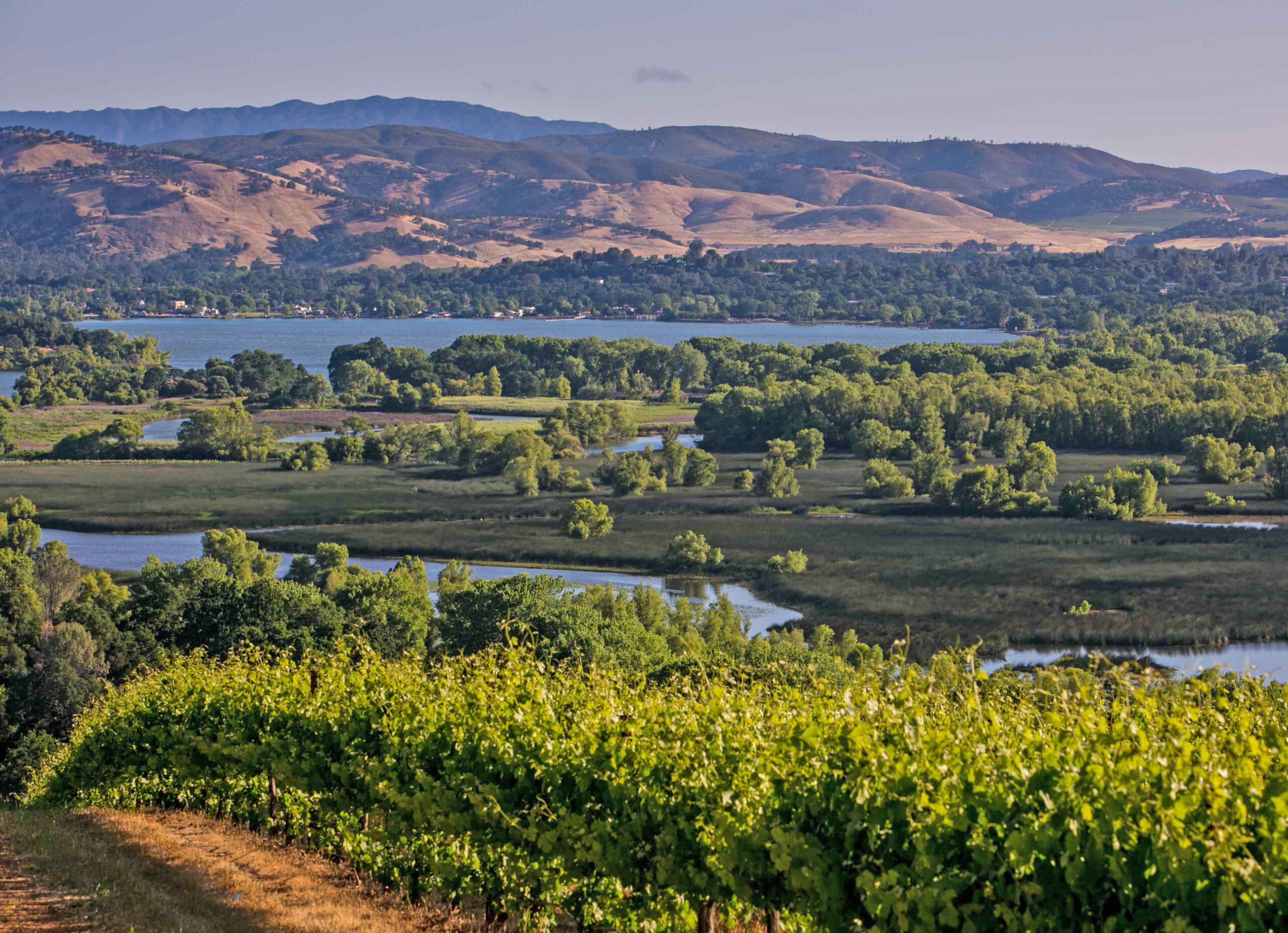
With nine AVAs, including Red Hills, High Valley, Big Valley, Kelsey Bench and Guenoc Valley, each area reveals a distinct expression of the land.
Vineyards climb to remarkable elevations, where crisp mountain air and mineral-rich soils shape bold, structured wines. The volcanic soils and alluvial terraces provide excellent drainage, resulting in smaller berries and concentrated fruit. Meanwhile, Clear Lake moderates the temperature, keeping the vines cool under California’s generous sun.
The result? Wines with personality. Cabernet Sauvignon dominates the vineyards, accounting for 47% of plantings, producing wines with dark fruit, firm tannins and impressive balance. Sauvignon Blanc follows closely at 21%, offering zesty freshness and aromatic lift. Other key varieties include Petite Sirah, Chardonnay, Zinfandel and Merlot.
This area produces grapes coveted by winemakers across Napa and Sonoma for their structure and intensity. But local producers are now making a name for themselves, proving that Lake County wine can stand confidently on its own.
The county’s clean air, combined with long daylight hours and cooler evenings, allows grapes to ripen slowly, developing deep color and complexity while maintaining balance. It’s no surprise that Lake County is earning acclaim for Cabernet Sauvignon and Sauvignon Blanc that are both powerful and refined.
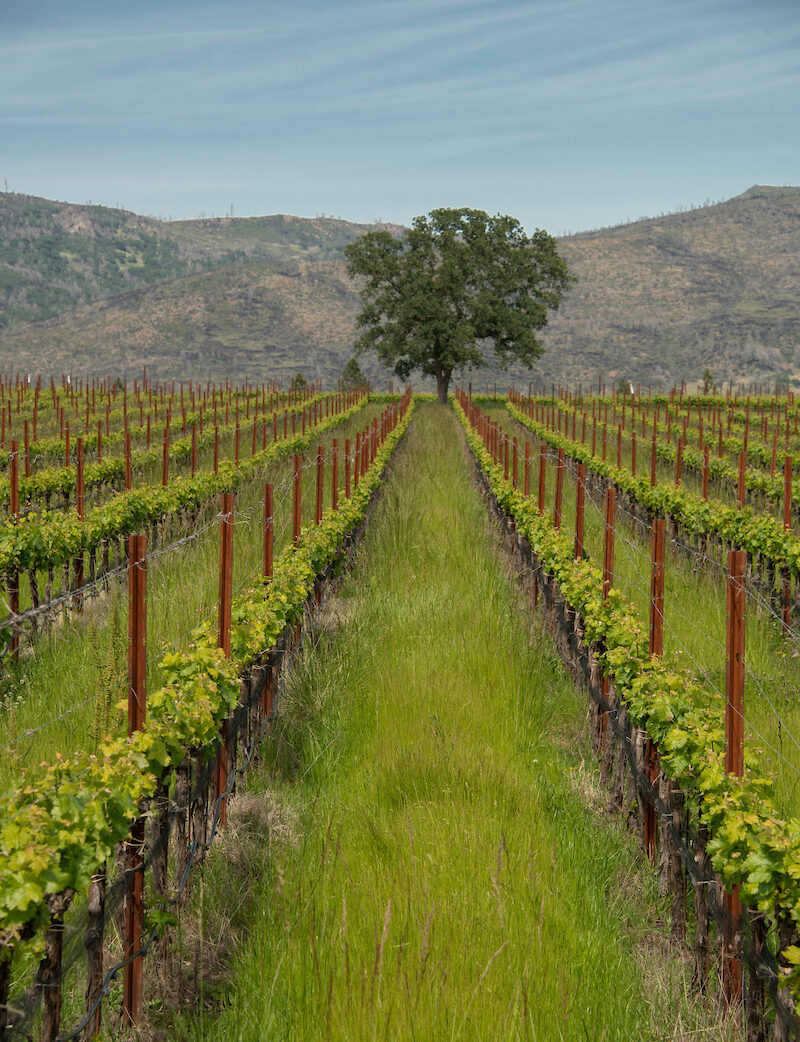
Given the region’s pristine environment and thin mountain air, maintaining exceptional air quality is both a privilege and a responsibility. Local vintners recognize that protecting this resource is essential for the community and the longevity of their vines.
Like many winegrowing regions in California, Lake County wineries are taking thoughtful steps to reduce their environmental impact. From using low-emission engines to practicing low-tillage farming, growers are focused on working with the land—not against it. Cover crops play a key role by naturally pulling carbon dioxide from the air and storing it in the soil, which helps keep vineyards healthy, resilient and better prepared for a changing climate.
Many producers also manage dust from unpaved roads and replace old equipment with cleaner technology to ensure that each glass of Lake County wine comes from a cleaner, healthier environment and also ensures Lake County residents can enjoy clearer air.
A prime example is Brassfield Estate Winery, where sustainability is woven into every decision. The winery reuses building materials, captures rainfall for vineyard use and farms its 2,900-acre estate sustainably. Every element, from soil health to water management, supports the long-term vitality of the land.
Through careful vineyard management, renewable energy initiatives and eco-friendly packaging, this region is proof of how California’s wine industry can thrive while keeping its environmental footprint light.
To understand Lake County Wine at its best, you have to taste it where it’s made. Here are some wineries to add to your itinerary:
Brassfield Estate Winery
Perched in the High Valley AVA, this breathtaking estate grows over 500 acres of vines on volcanic soils. Certified sustainable, Brassfield produces elegant Zinfandels, Bordeaux-style blends and Rhône varieties.
Fults Family Vineyards
A family-run operation along Clayton Creek, producing handcrafted wines that celebrate local fruit and down-home hospitality. Their approachable Cabernet and Merlot are perfect for a relaxed afternoon by the water.
Langtry Farms Vineyard and Winery
Langtry sits within the Guenoc Valley AVA, the first single-winery AVA in the nation. Known for its velvety Petite Sirah and long history of innovation, this estate remains a cornerstone of local wine heritage.
Six Sigma Ranch & Winery
Combining old-world charm and modern precision, Six Sigma farms 4,300 acres sustainably in the Red Hills AVA. Their small-lot Tempranillo, Sauvignon Blanc and Cabernet Sauvignon embody meticulous attention to detail and balance.

Wild Diamond Vineyards
Set on volcanic slopes with sweeping views, Wild Diamond is dedicated to crafting full-bodied, age-worthy wines. Their commitment to sustainable farming and minimal intervention lets the natural beauty of Lake County wine shine through in every bottle.
Read more about Lake County and plan your next visit.
Get a taste of California wine in your kitchen! Mix up this beautiful Radicchio and Asian Pear Salad with Fried Chickpeas and Honey-Harissa Dressing and serve it with California Pinot Gris or rosé.
This is a robust radicchio and butter lettuce salad that’s brightened with the fruity notes of juicy Asian pear and pomegranate. The pantry-friendly dressing of honey, lemon juice, shallot and olive oil does a good job of tempering the bitter radicchio while adding a nice hit of acid to balance everything out. The crumble of crisp bacon is the finishing touch for the absolute perfect bite. Serve as a starter or a side with salmon or pasta. We recommend a California rosé or Pinot Gris to celebrate such a gorgeous salad.

For the salad:
For the dressing:
What is Lake County Wine known for?
Lake County Wine is best known for its bold Cabernet Sauvignon and aromatic Sauvignon Blanc, both shaped by volcanic soils and high-elevation vineyards.
How many AVAs are in Lake County?
There are nine AVAs, including Red Hills, High Valley, Big Valley, Kelsey Bench, Clear Lake and Guenoc Valley.
What makes Lake County’s terroir unique?
Its volcanic soils, mountain elevations, and proximity to Clear Lake create a perfect balance of sunlight and cool air, resulting in vibrant, balanced wines.
Are Lake County wineries sustainable?
Yes — many are leaders in eco-friendly practices, from biodynamic farming to renewable energy. Brassfield Estate and Six Sigma are standout examples.
What’s the best way to explore Lake County Wine?
Plan a tasting route around Clear Lake and Red Hills AVA, stopping at estate wineries like Brassfield, Six Sigma and Wild Diamond for scenic, in-depth tastings.
 How to Read a Wine Label: A Beginner’s Guide
Ever stared at a wine label and felt like you needed a translator? This quick guide breaks it all down — so...
Read the Article California Zinfandel: A Bold and Beloved Original
California Zinfandel is one of the state's most iconic wine styles, known for its bold fruit flavors, versati...
Read the Article Wine Tasting Etiquette: What to Expect at a Tasting Room
So what is proper wine tasting etiquette? Do you swirl the glass? Are you supposed to spit? Do you have to bu...
Read the Article Meet California Vermentino: Crisp, Bright and Easy to Enjoy
Bright, crisp, and full of personality, California Vermentino is the white wine made for exploring. With flav...
Read the Article How Climate Affects Wine: Rain, Fog & Sunshine Explained
Discover how California’s diverse climates — from sunny inland valleys to foggy coastal vineyards — sha...
Read the Article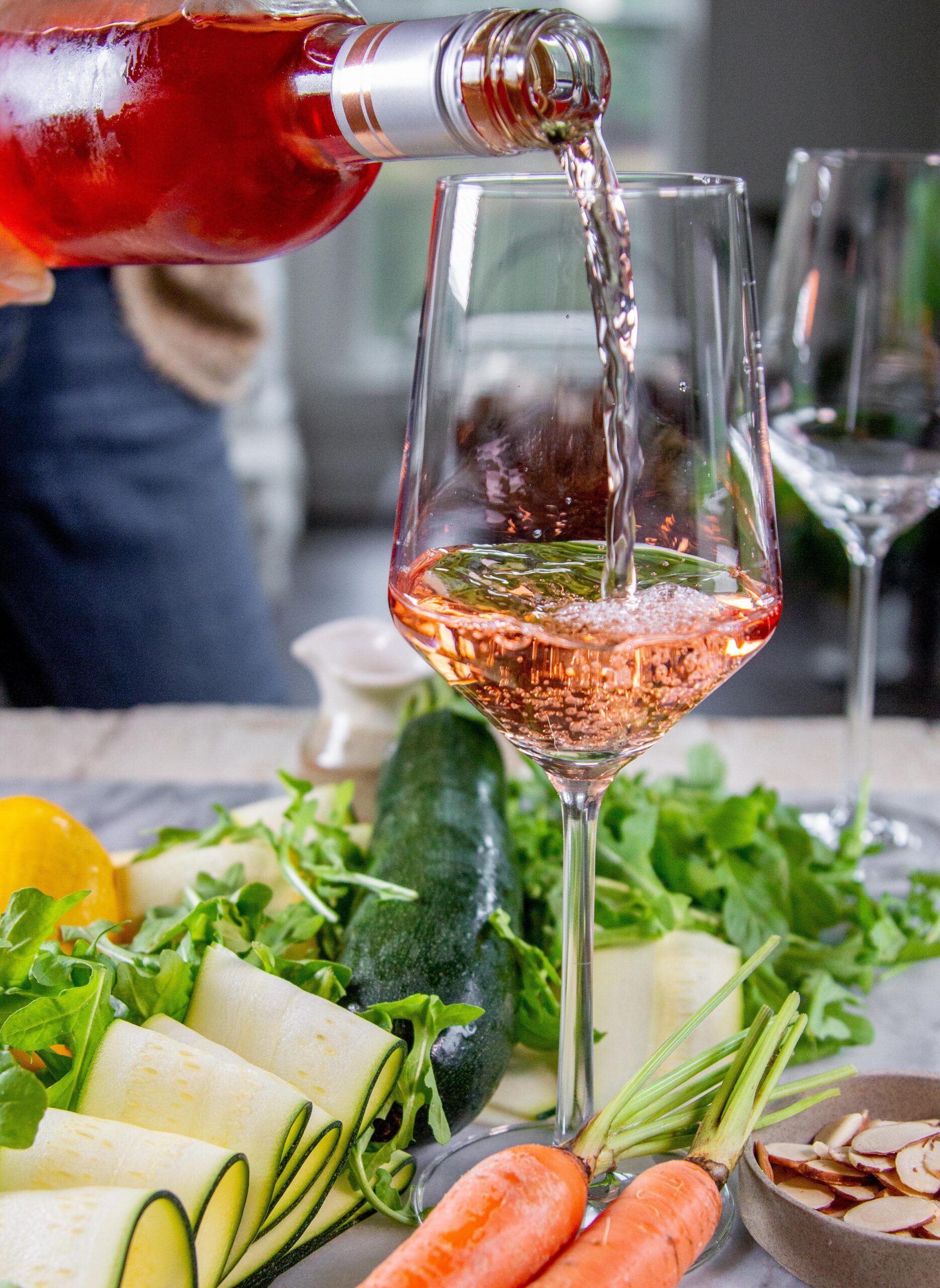 California Rosé: Made for More Than Just Summer
Let's clear something up: rosé is more than just a poolside wine. California rosé comes in a wide range of ...
Read the Article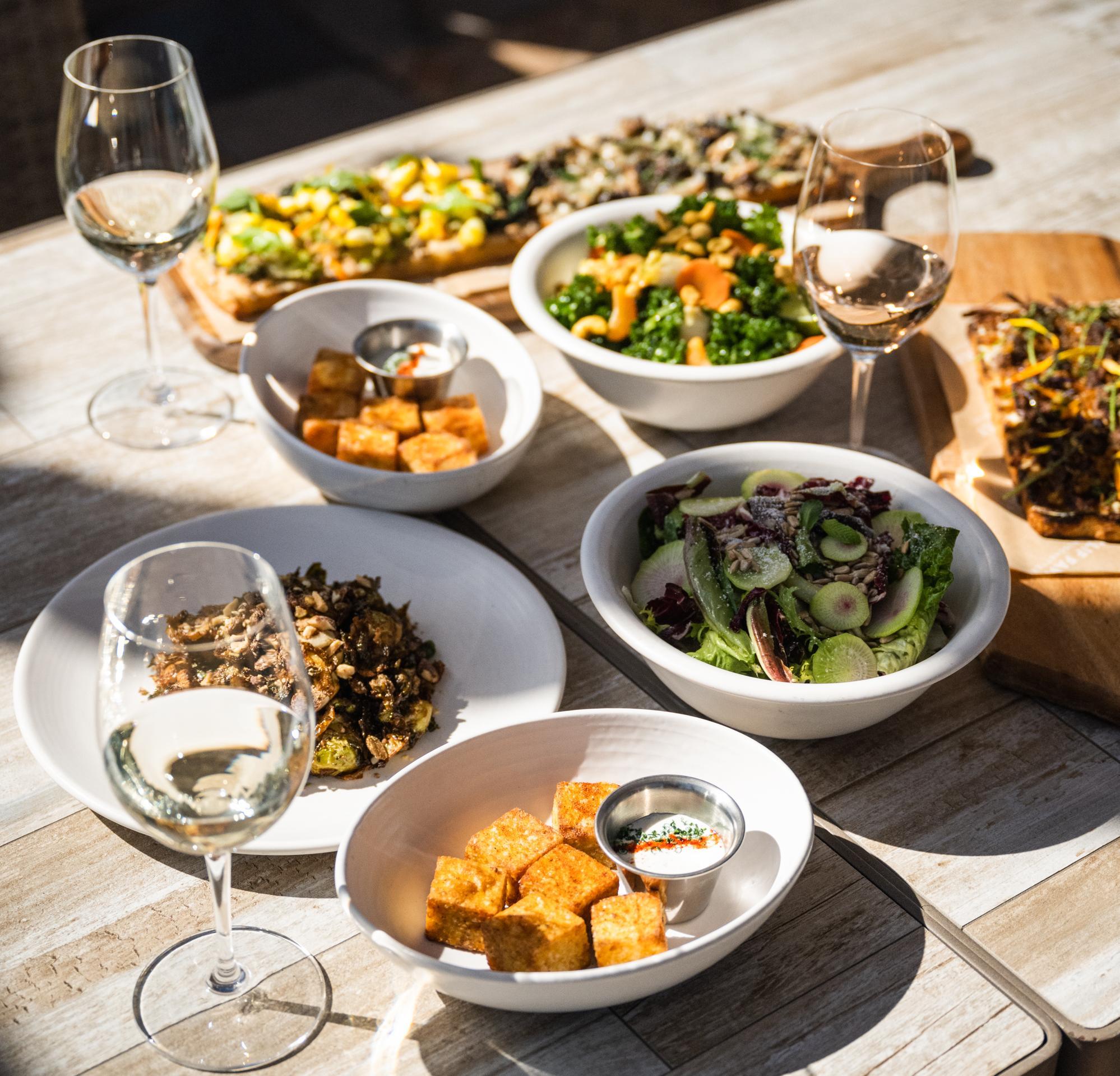 Wine and Food Pairing: What Grows Together Goes Together
In California, wine and food pairing often starts with a simple idea: what grows together goes together. The ...
Read the Article California Sauvignon Blanc: Bright, Crisp and Easy to Love
Crisp, bright and refreshing, California Sauvignon Blanc is a white wine that delivers big flavor with an eas...
Read the Article