What Happens During a Wine Tasting
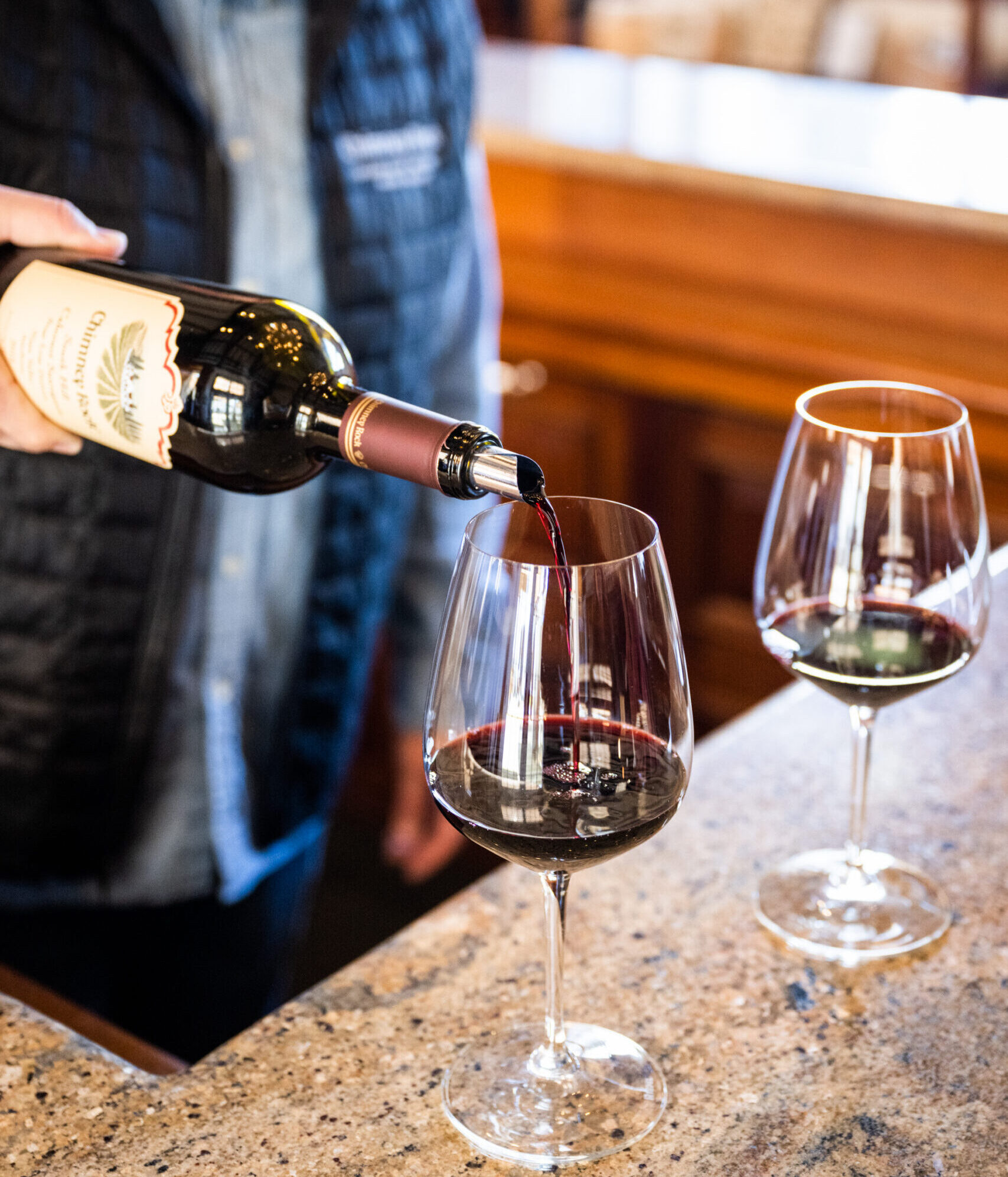
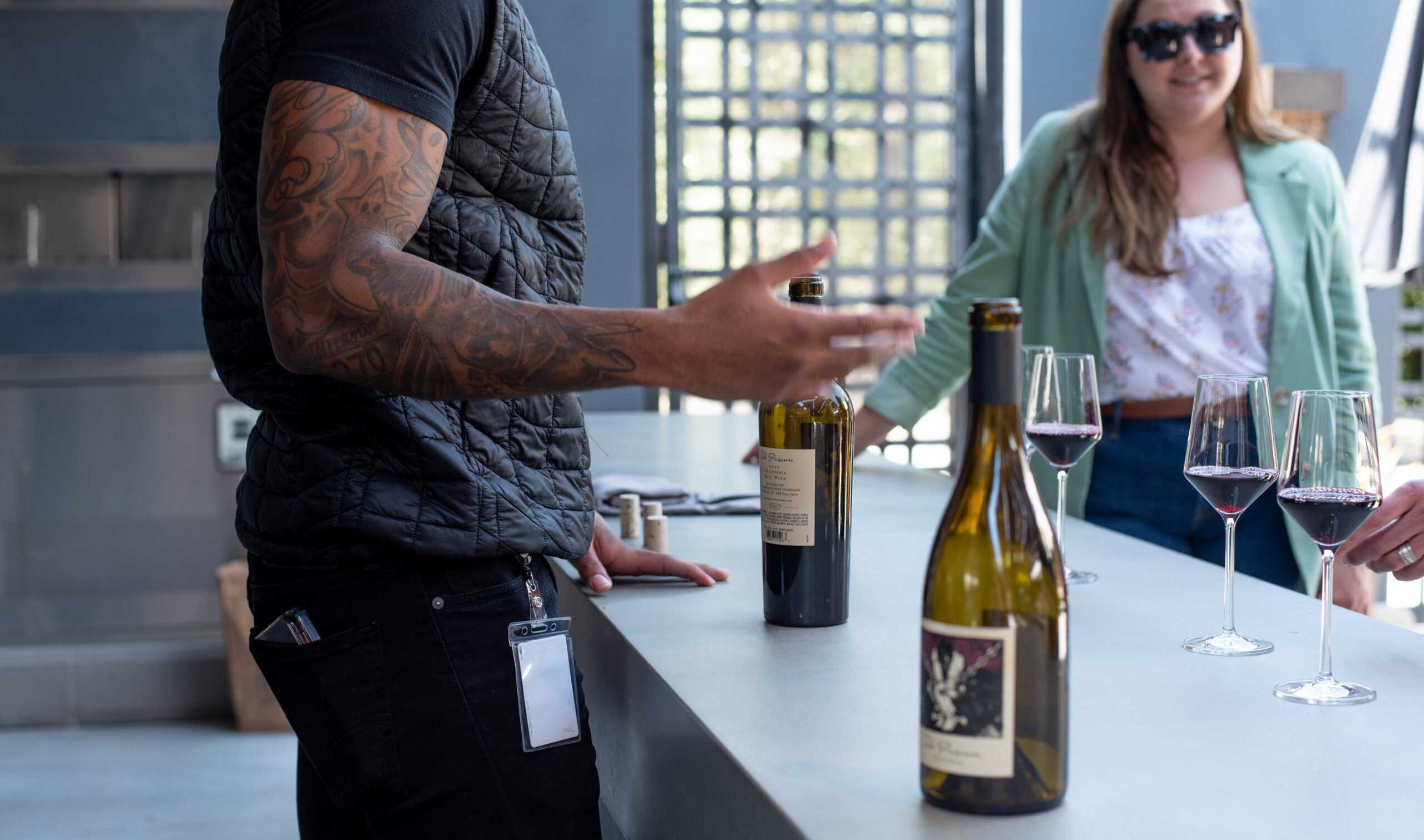
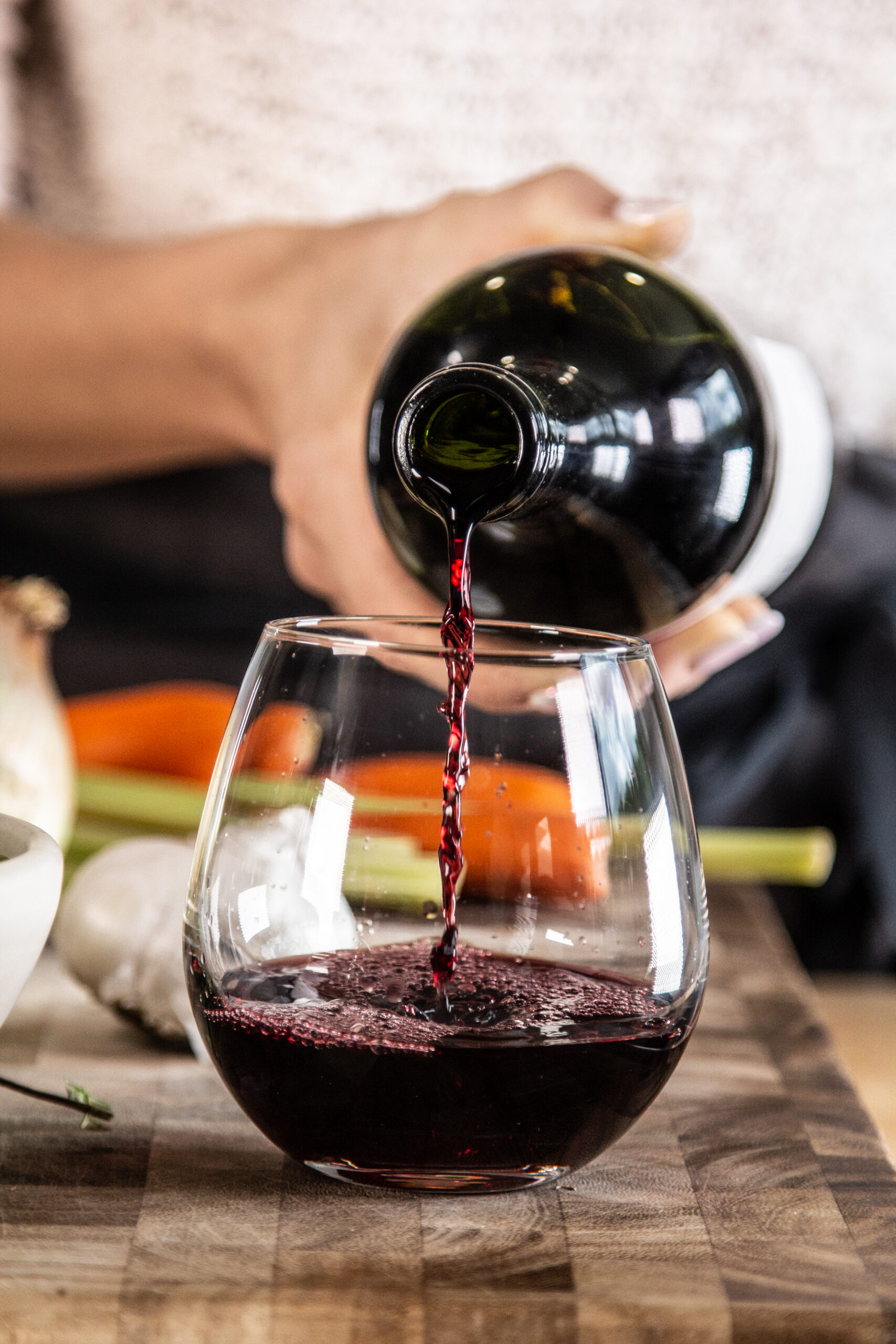
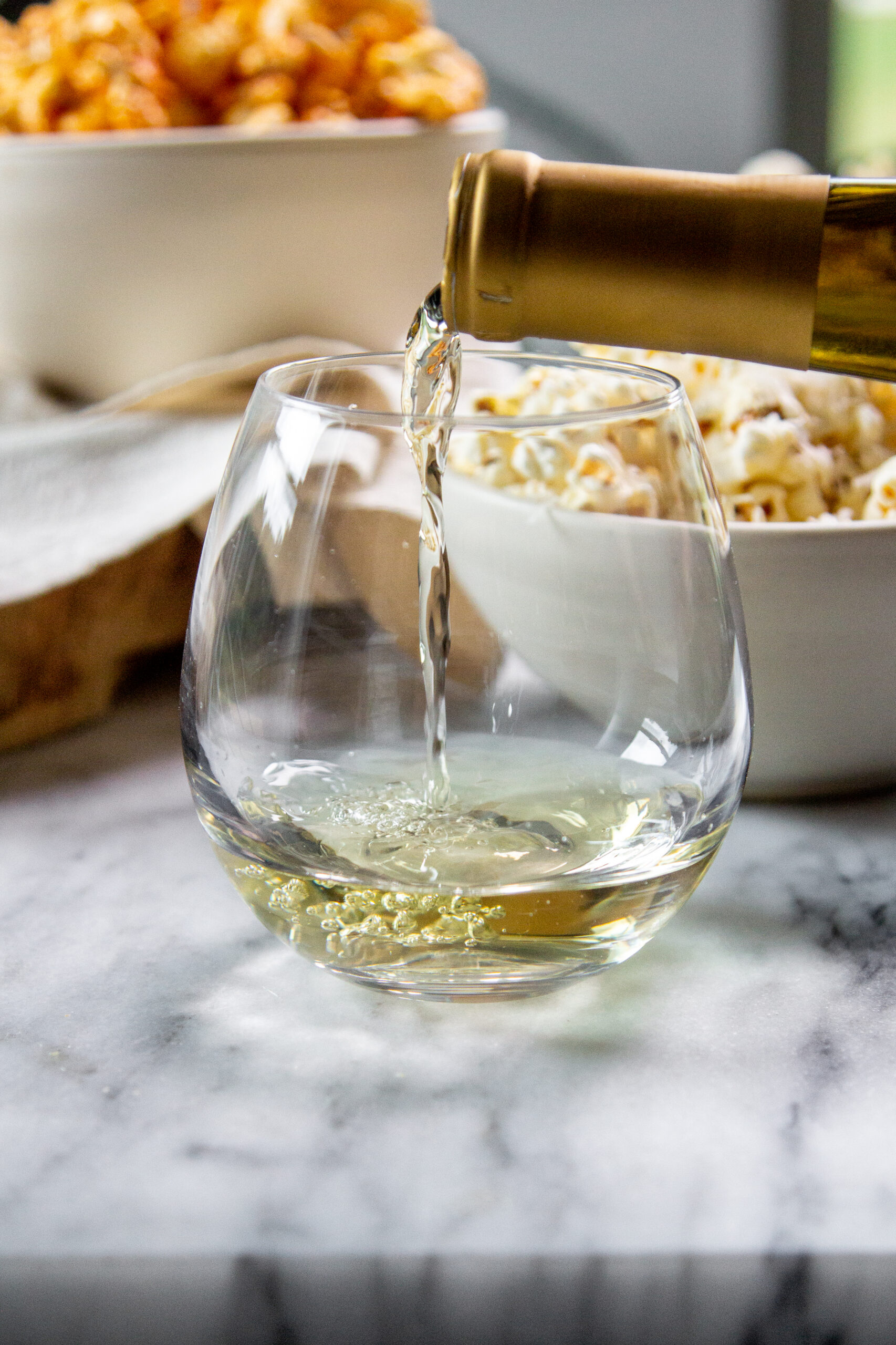
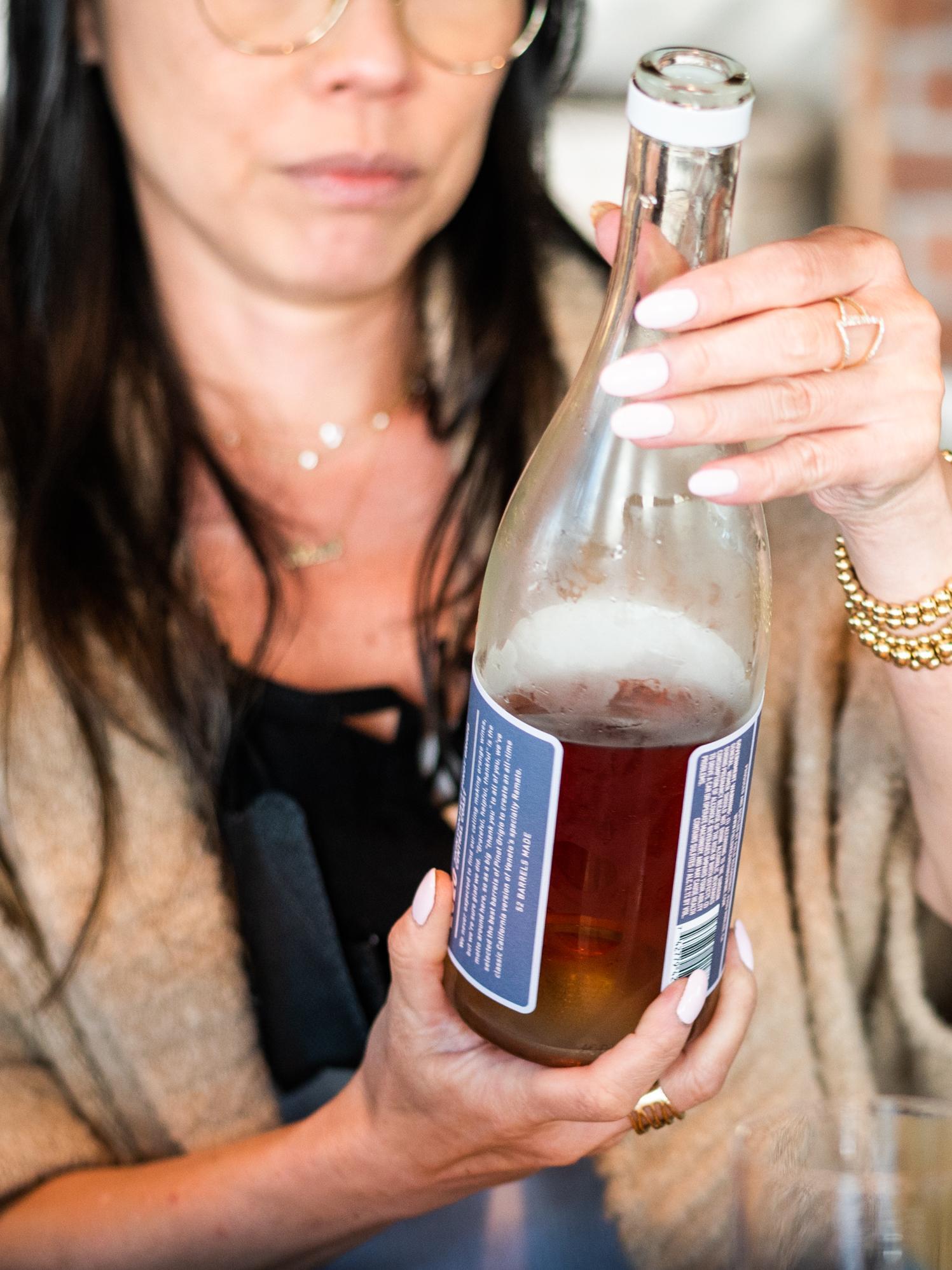
A typical tasting room visit includes several small pours of different wines. A host will guide you through them, usually explaining the grape variety, where it was grown and a few tasting notes.
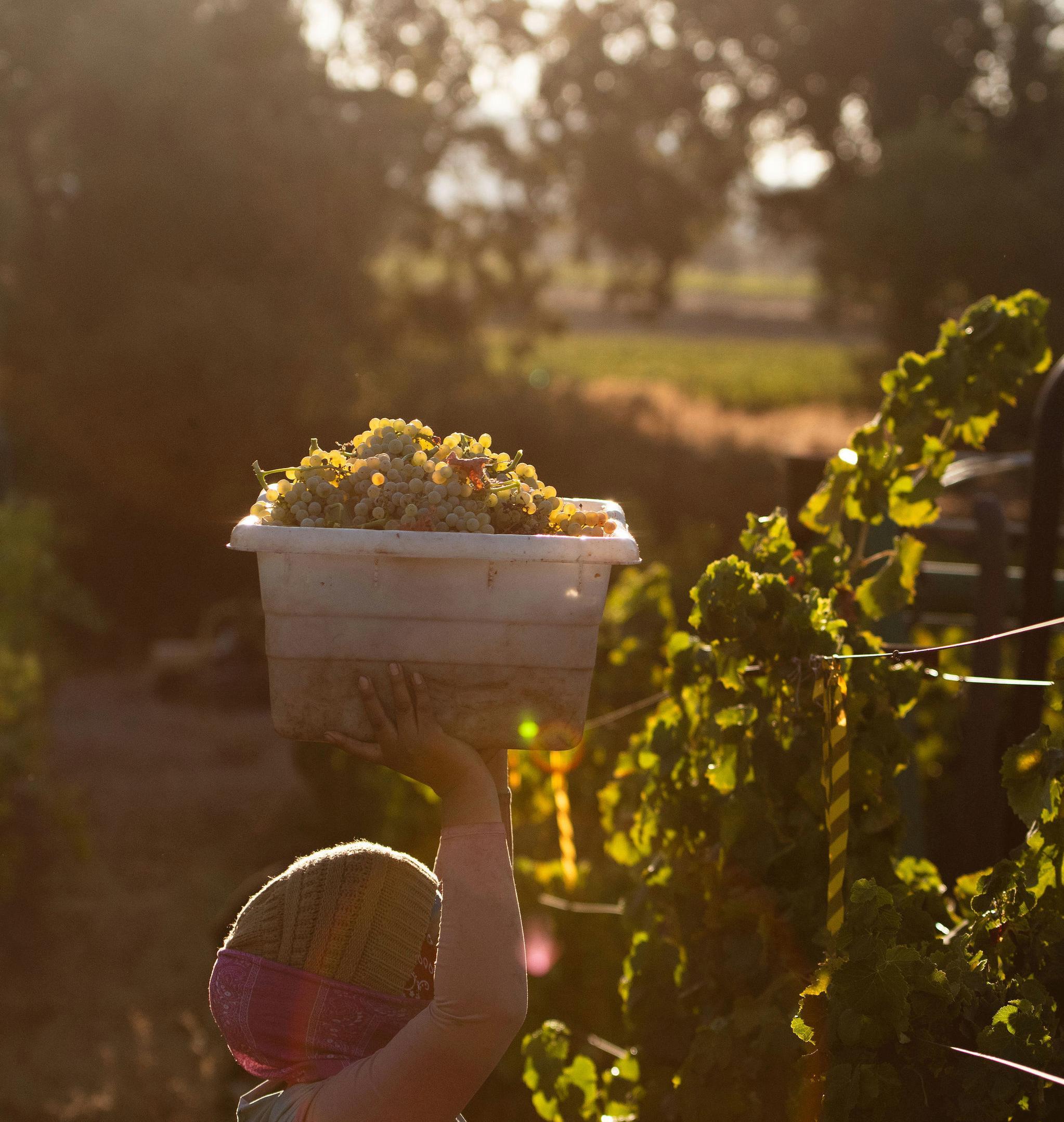
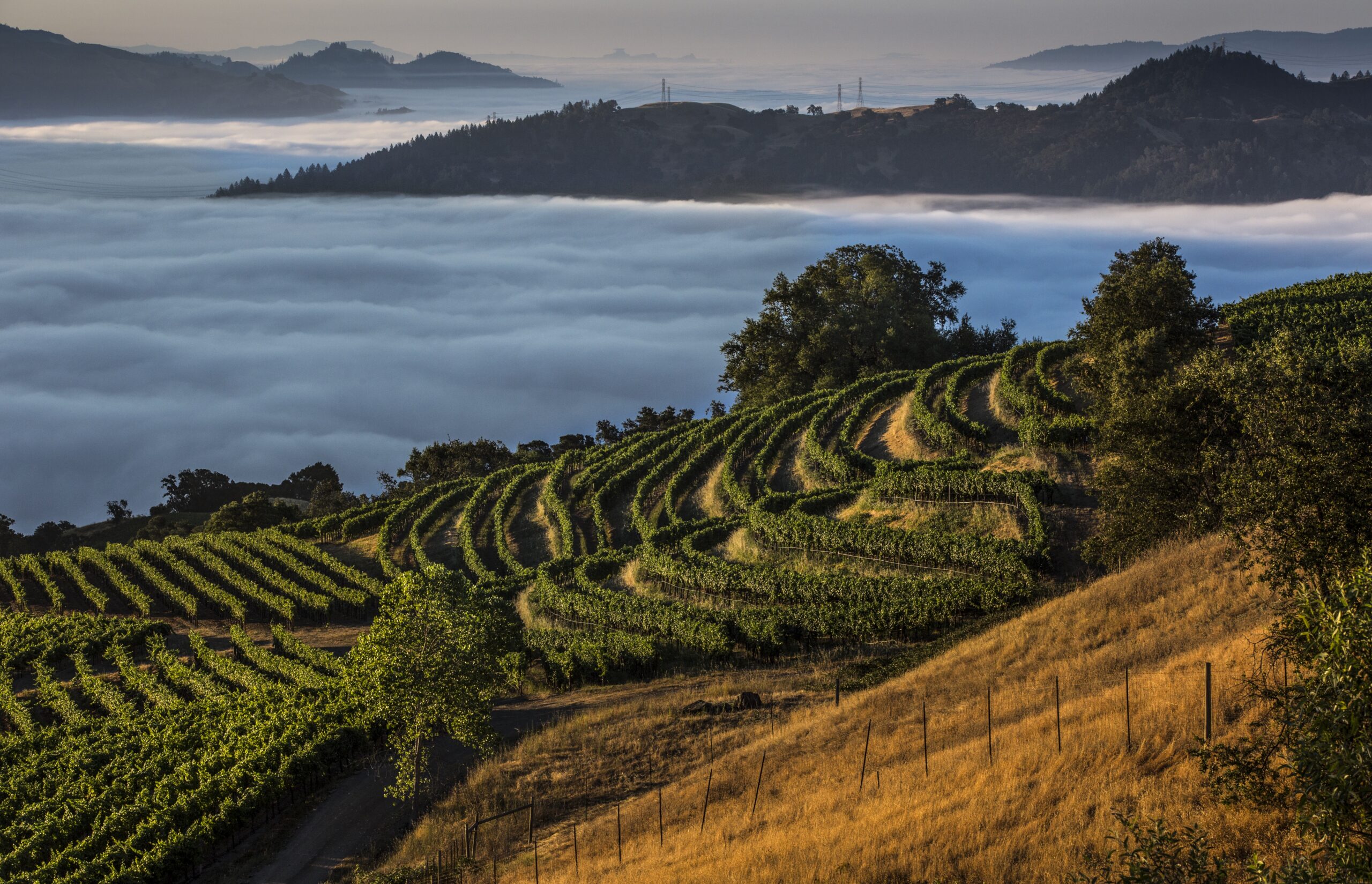
Many California wineries follow sustainable winegrowing practices to protect soil, conserve water and support biodiversity. When you taste these wines, you’re enjoying great flavors while supporting vineyards that care for the land. Look for signs around the winery and during vineyard tours or logos on the bottle for certifications like Certified California Sustainable Winegrowing, SIP Certified®, NAPA GREEN or others, and ask your host to share more about their practices or certifications.
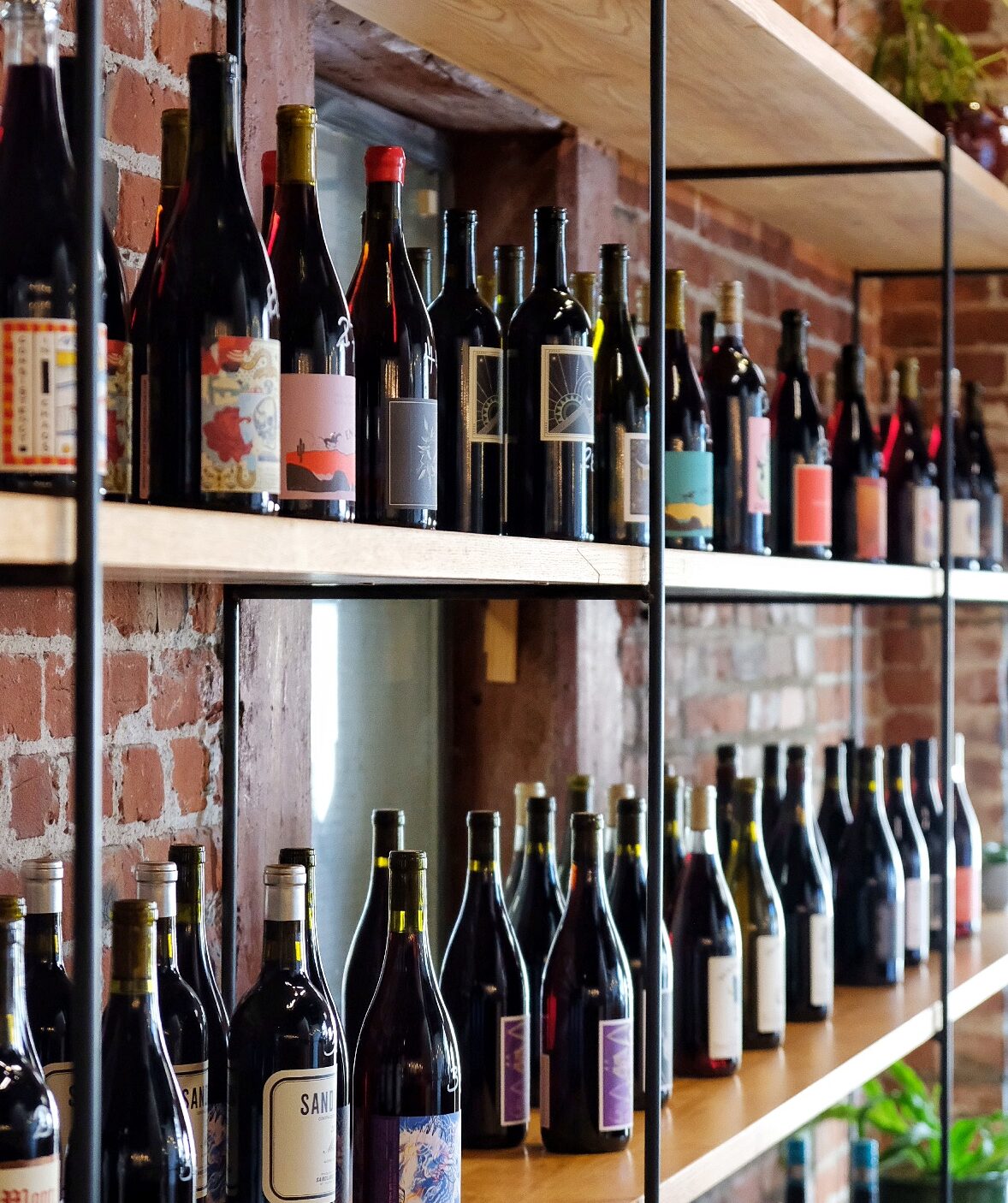
After you’ve sampled the wines, the host will usually offer a chance to purchase any bottles you enjoyed, giving you an opportunity to bring a little of the tasting experience home with you.
Your Mission (Should You Accept It)
Your job? Taste the wine and see what you think. That’s it. Wine tasting etiquette is simpler than you might think. Most wineries are just happy you’re there and excited to share their creations. Relax, have fun and enjoy the experience.
Five Tips To Wine Tasting
1. Swirling, Smelling and Tasting
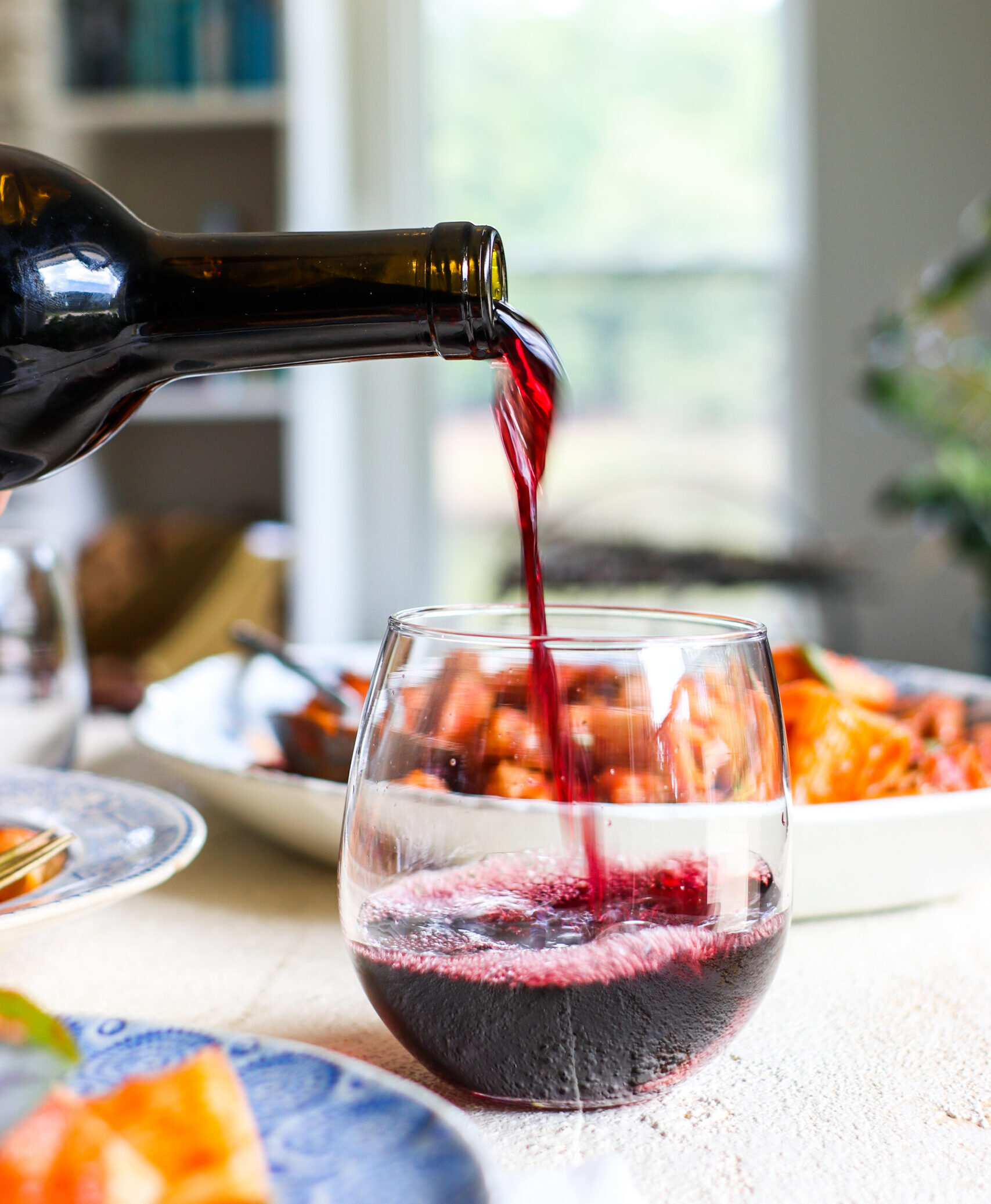
Swirling wine helps release aromas, making the wine smell more expressive. Smell the wine, take a sip and notice what flavors stand out. If you like it, amazing. If you don’t, that’s fine too. Everyone’s palate is different.
2. Yes, Spitting Is Totally Normal
You’ll often see a spit bucket on the tasting bar. That’s there so people can taste multiple wines without having to drink every drop. It might feel awkward to spit at first, but it’s actually standard practice, even for professional wine tasters. It’s also fine to pour out any wine left in your glass into the spit bucket if you don’t want to drink any more!
3. Ask Questions
Tasting room hosts love questions. Want to know where the grapes were grown and what sustainability practices were used? Curious about food pairings? Wondering which wine locals love most? Ask. Wine tasting is part education, part experience and part hanging out and enjoying good wine.
4. Buying Wine (Optional, But Fun)
Wine tasting doesn’t require you to buy any wine. But if you find something you love, bringing a bottle home is kind of the best souvenir. Some wineries even waive tasting fees when you buy wine. And when you find a bottle you love? Go all in!
5. Pace Yourself
Wine tasting is meant to be savored, not rushed, so plan for just two to three wineries (tops) in a day.. Give yourself time to take in the atmosphere and actually appreciate what’s in your glass. Stay hydrated by sipping water between tastings, and don’t skip the food. Whether it’s a full meal between wineries or light snacks throughout the day. , A relaxed pace means you’ll taste more thoughtfully and finish the day feeling good, not worn out.

 Language