Search
Wine

How to Read a Wine Label: A Beginner’s Guide

Ever stared at a wine label and felt like you needed a translator? This quick guide breaks it all down — so you can decode what’s in the bottle, pick with confidence and maybe even impress yourself a little along the way.

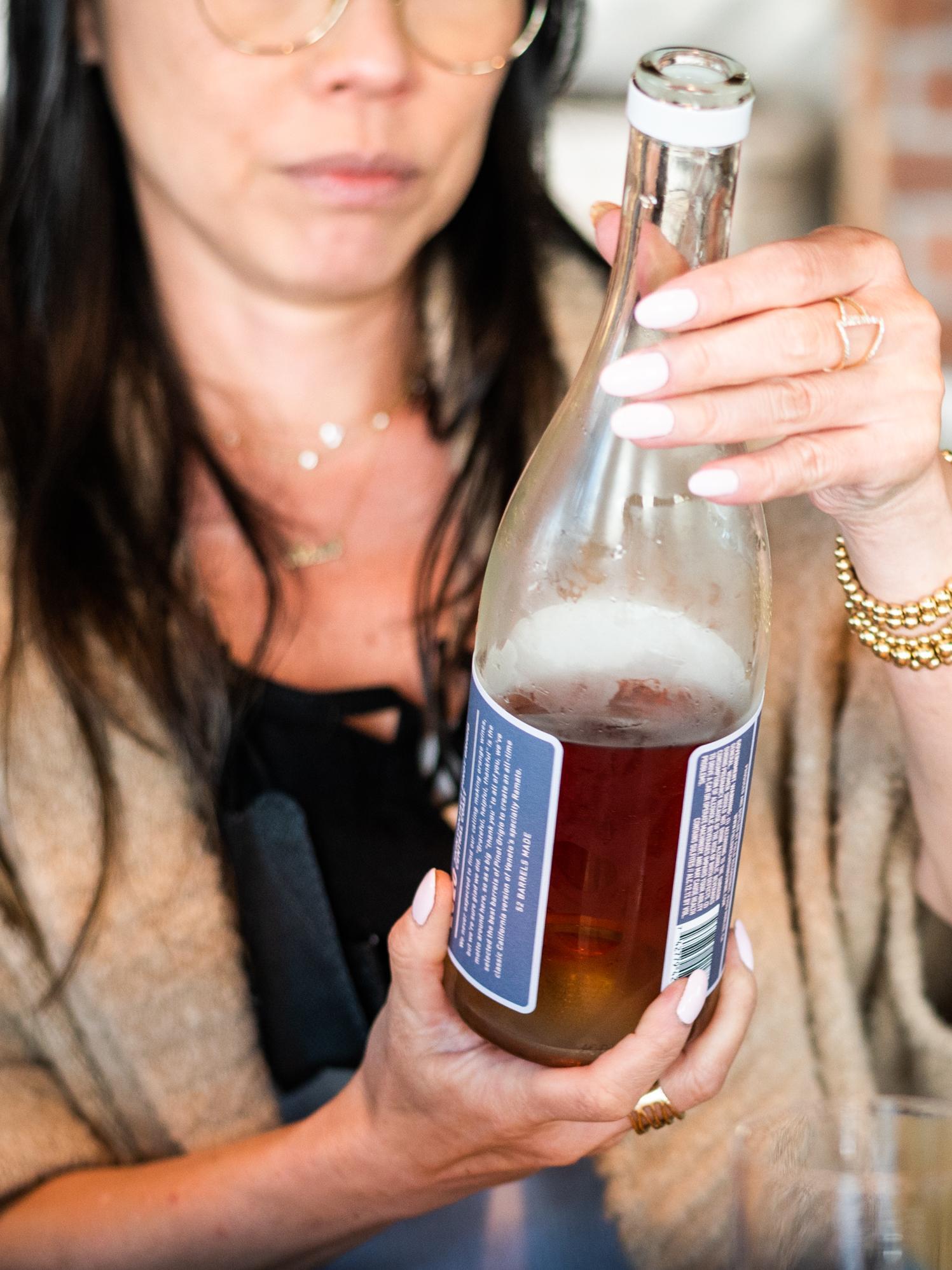
woman reading wine label

Standing in front of a wall of wine bottles and trying to figure out how to read a wine label? Yeah… it can feel confusing. There are regions, years, grape names, logos and sometimes a few words you may not recognize.

The good news? A wine label is really just a set of clues. Once you know what to look for, choosing a bottle becomes much easier — and a lot more fun.

A label often tells a story about the place the wine comes from, the people who made it and even the type of experience the winemaker hopes you’ll have when you open the bottle. It’s not just information; it’s a snapshot of the wine’s personality.

In this guide, we’re going to give you the know-how on how to read a wine label. From where it’s made to when it was made, to its style and more, there is a lot it can reveal! 

The Producer

Let’s start easy. The winery or producer name is usually the most prominent thing on the label — and it’s one of the most useful. Once you find a producer you love, their name becomes your best shortcut in the wine aisle. Keep a mental note (or a photo on your phone) of the ones that win you over.

The Grape Variety

After the winery or producer name, one of the next clues to look for is the grape variety — simply put, the type of grape used to make the wine.

Many California wine labels list the grape name right on the front. You’ll often see familiar varieties like Cabernet Sauvignon, Merlot, Zinfandel, Pinot Noir, Chardonnay and Sauvignon Blanc, along with rosé, sparkling wines, blends and many others.

The grape variety gives you a general idea of what to expect in the glass. But here’s where wine gets fun: every producer brings their own style, choices and personality to the bottle. That means one winery’s Chardonnay may taste different from another’s and discovering the producers and styles you enjoy is part of the experience.

Want to learn more about what different grapes can taste like? Explore our Wine 101 guide to California grape varieties for quick tasting notes and helpful tips.

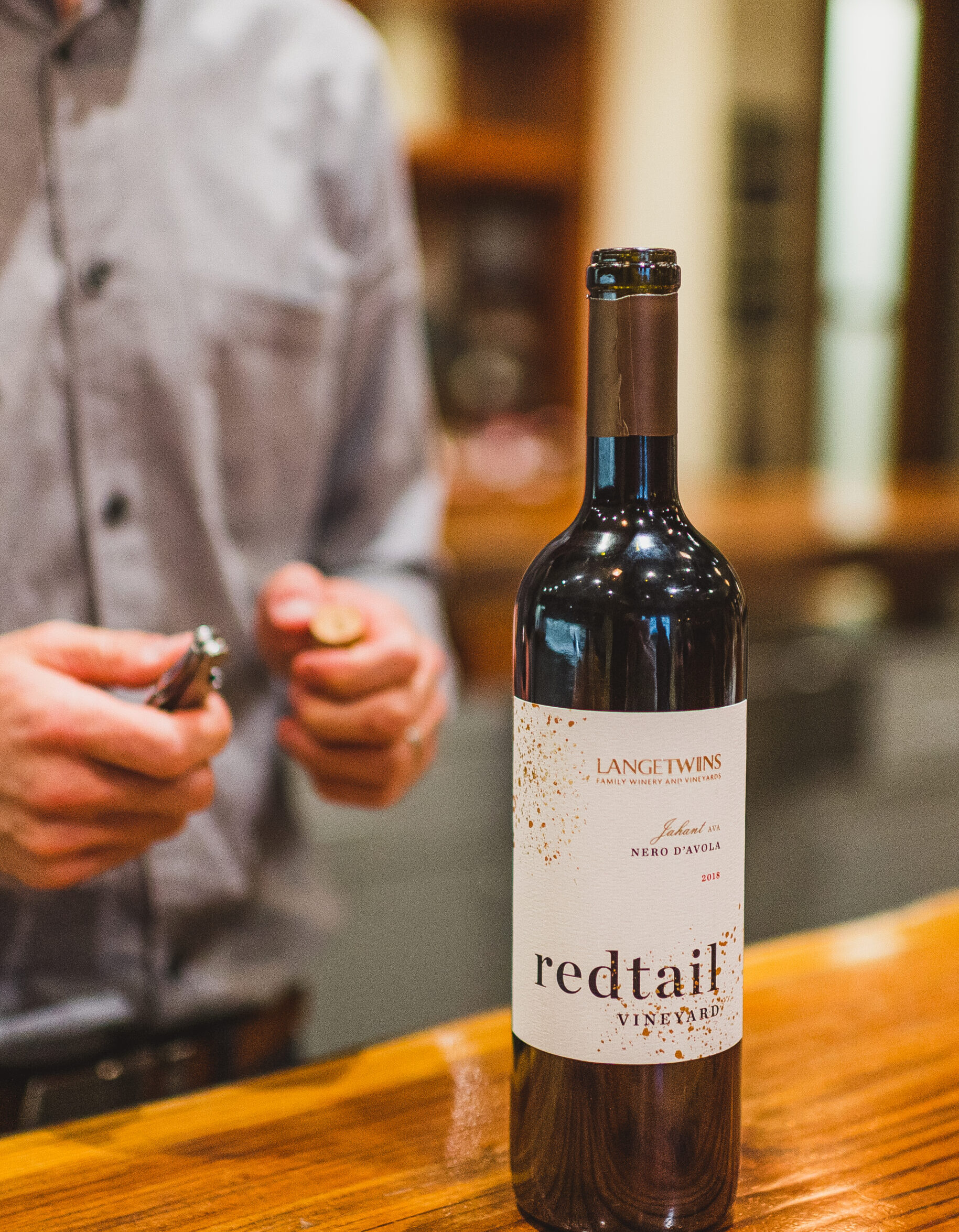
wine bottle at wine bar

The Vintage

The vintage is the year the grapes were harvested. The weather changes every year, which means wines from different vintages can taste slightly different. A warmer year might produce riper wines, while cooler seasons can create brighter styles.

Honestly, this is one of the reasons wine is so interesting. Each year gives the wine a slightly different personality.

The Region (AVA)

Many California wines list an AVA, or American Viticultural Area. That’s the official growing region where the grapes came from. Think of it as the wine’s hometown. And just like people, where a wine grows up shapes who it becomes.

Regions like Napa Valley, Sonoma Coast and Paso Robles all have distinct climates and soils, which directly influence how the wine tastes. Same grape, different region and often a very different wine.

Sustainability Certifications

Some wine labels also include sustainability logos. Look for Certified California Sustainable Winegrowing or programs like Napa Green, SIP Certified®, or LODI RULES. These certifications show that wineries are working to protect soil, conserve water and support vineyard ecosystems. 

Don’t Overthink It

Wine labels might look complicated at first, but once you know a few basics — grape, vintage, region and sustainability — you’re already way ahead. And once you start noticing which wines you like? Choosing a bottle stops feeling confusing and starts feeling kind of fun.
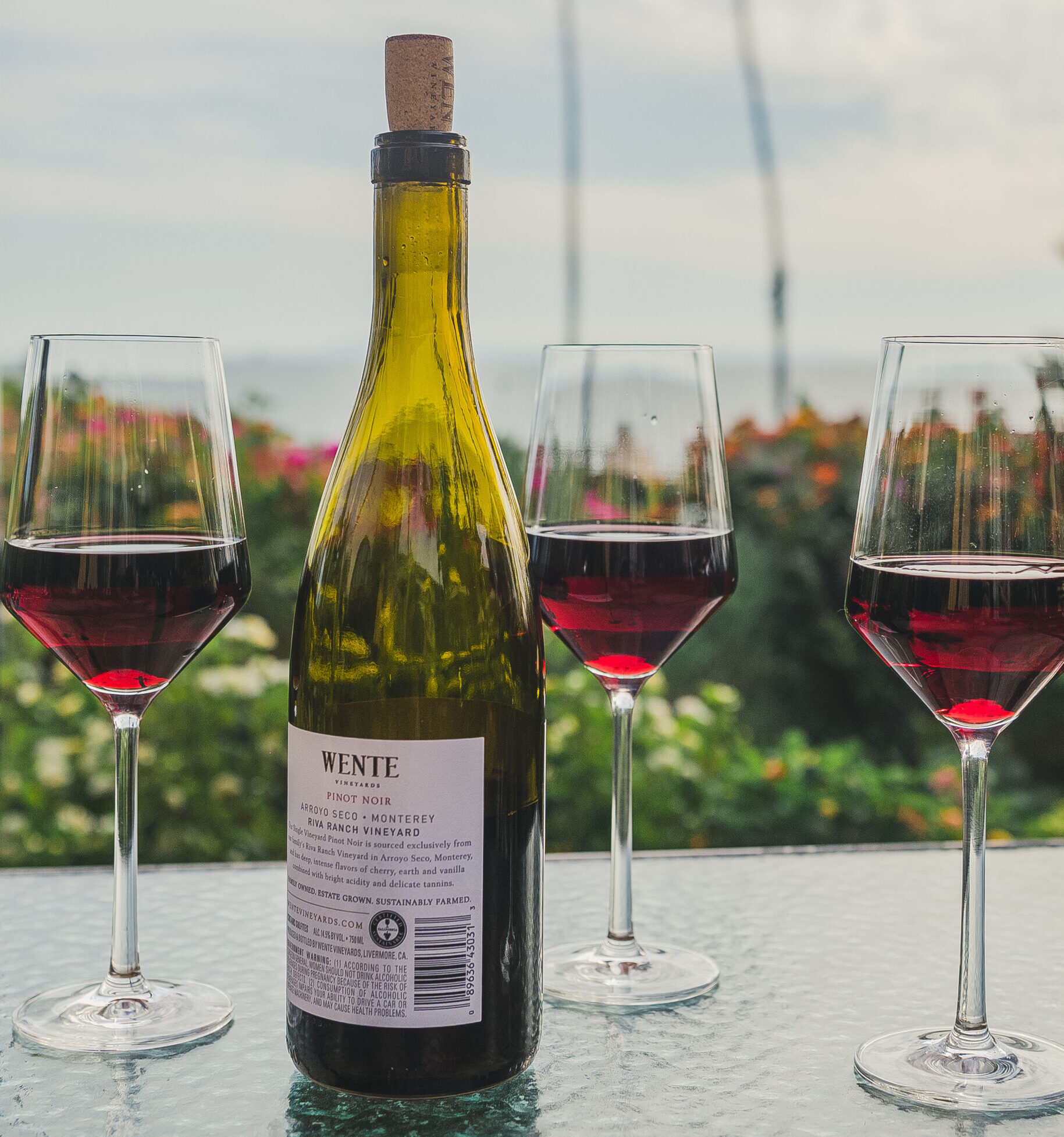
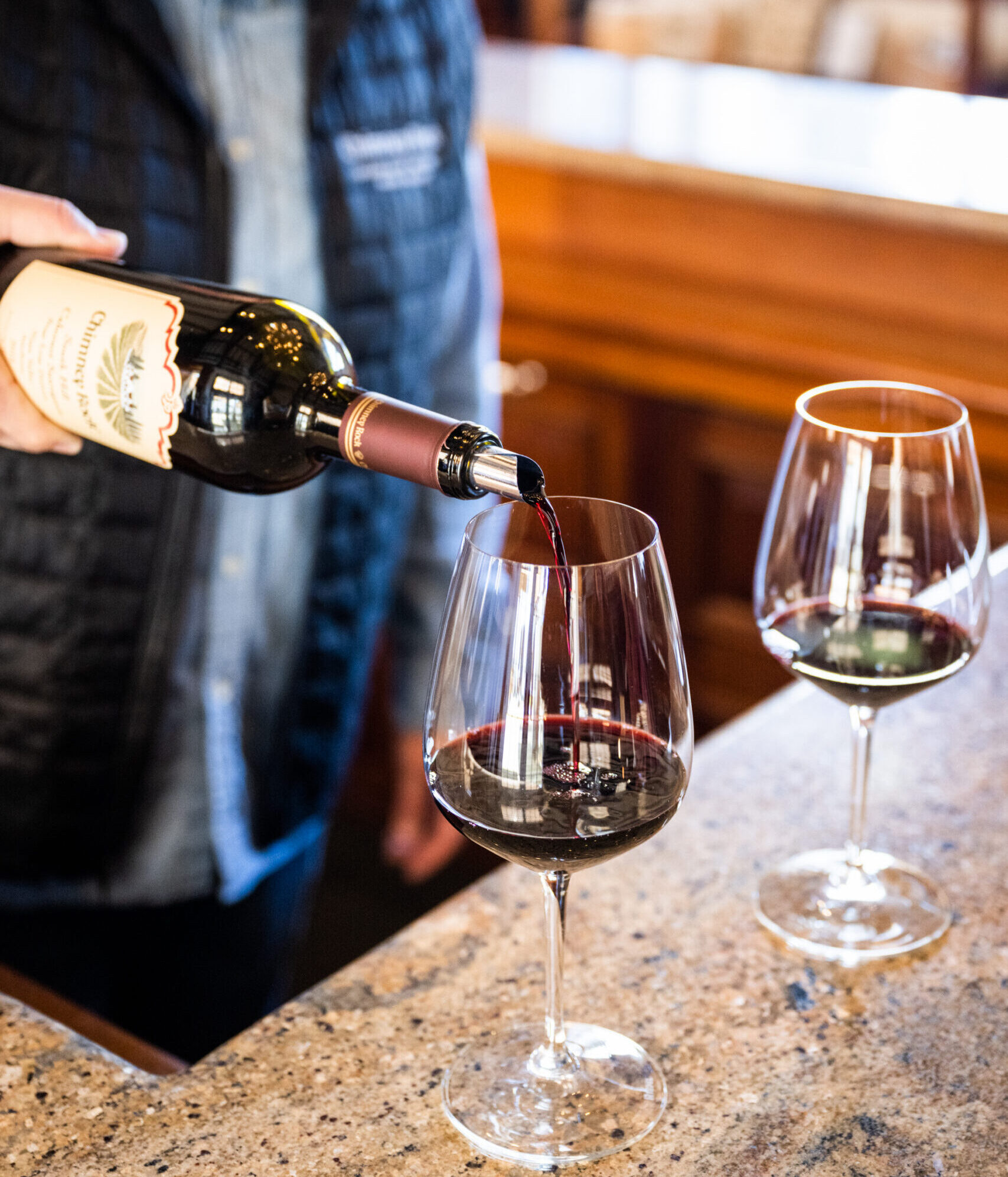
bottle of wine with wine glasses

Frequently Asked Questions

What information is on a wine label?
Wine labels usually show the grape variety, vintage year, region or AVA, producer name and alcohol content.

What does vintage mean on a wine label?
Vintage refers to the year the grapes used to make the wine were harvested.

What does AVA mean on a wine label?
AVA stands for American Viticultural Area and identifies the geographic region where the grapes were grown.

Discover California Wines is an initiative of Wine Institute, representing more than 1,000 California wineries and wine-related businesses.

Continue Reading

woman reading wine labelHow to Read a Wine Label: A Beginner’s Guide

Ever stared at a wine label and felt like you needed a translator? This quick guide breaks it all down — so...

Read the Article
zinfandelCalifornia Zinfandel: A Bold and Beloved Original

California Zinfandel is one of the state's most iconic wine styles, known for its bold fruit flavors, versati...

Read the Article
wine tastingWine Tasting Etiquette: What to Expect at a Tasting Room

So what is proper wine tasting etiquette? Do you swirl the glass? Are you supposed to spit? Do you have to bu...

Read the Article
california vermentinoMeet California Vermentino: Crisp, Bright and Easy to Enjoy

Bright, crisp, and full of personality, California Vermentino is the white wine made for exploring. With flav...

Read the Article
sunrise in california vineyardHow Climate Affects Wine: Rain, Fog & Sunshine Explained

Discover how California’s diverse climates — from sunny inland valleys to foggy coastal vineyards — sha...

Read the Article
california roséCalifornia Rosé: Made for More Than Just Summer

Let's clear something up: rosé is more than just a poolside wine. California rosé comes in a wide range of ...

Read the Article
food and california wineWine and Food Pairing: What Grows Together Goes Together

In California, wine and food pairing often starts with a simple idea: what grows together goes together. The ...

Read the Article
california sauvignon blancCalifornia Sauvignon Blanc: Bright, Crisp and Easy to Love

Crisp, bright and refreshing, California Sauvignon Blanc is a white wine that delivers big flavor with an eas...

Read the Article
Become a Wine Insider