
 Language
Wine Packaging Types: Cans, Boxes, or Bottles?
Wine doesn’t just come in bottles anymore. From grab-and-go cans to fridge-friendly boxes, this guide breaks down the formats changing how we sip, store and share wine in real life.
Wine doesn’t just come in bottles anymore. From grab-and-go cans to fridge-friendly boxes, this guide breaks down the formats changing how we sip, store and share wine in real life.
Wine comes in so many formats these days — bottles, cans, boxes — it can feel a little confusing at first. For years, glass bottles basically ran the show. But lately? Wine packaging has had a full-on glow-up.
Walk into any wine shop now and you’ll see it immediately. Not just bottles, but sleek cans, colorful boxed wines and even the occasional pouch or keg moment. We love options! Wine culture is evolving and packaging is catching up. These newer formats make wine easier to carry, chill, store and actually fit into real life.
Packing for a picnic? There’s a wine for that. Hosting an impromptu dinner party? Covered. Heading out for a weekend trip? Yep, there’s a format that makes it way easier. Wine is no longer just a “special occasion” sip, it’s becoming way more flexible.
In this guide, we’re talking through the most common types of wine packaging and the advantages of each.
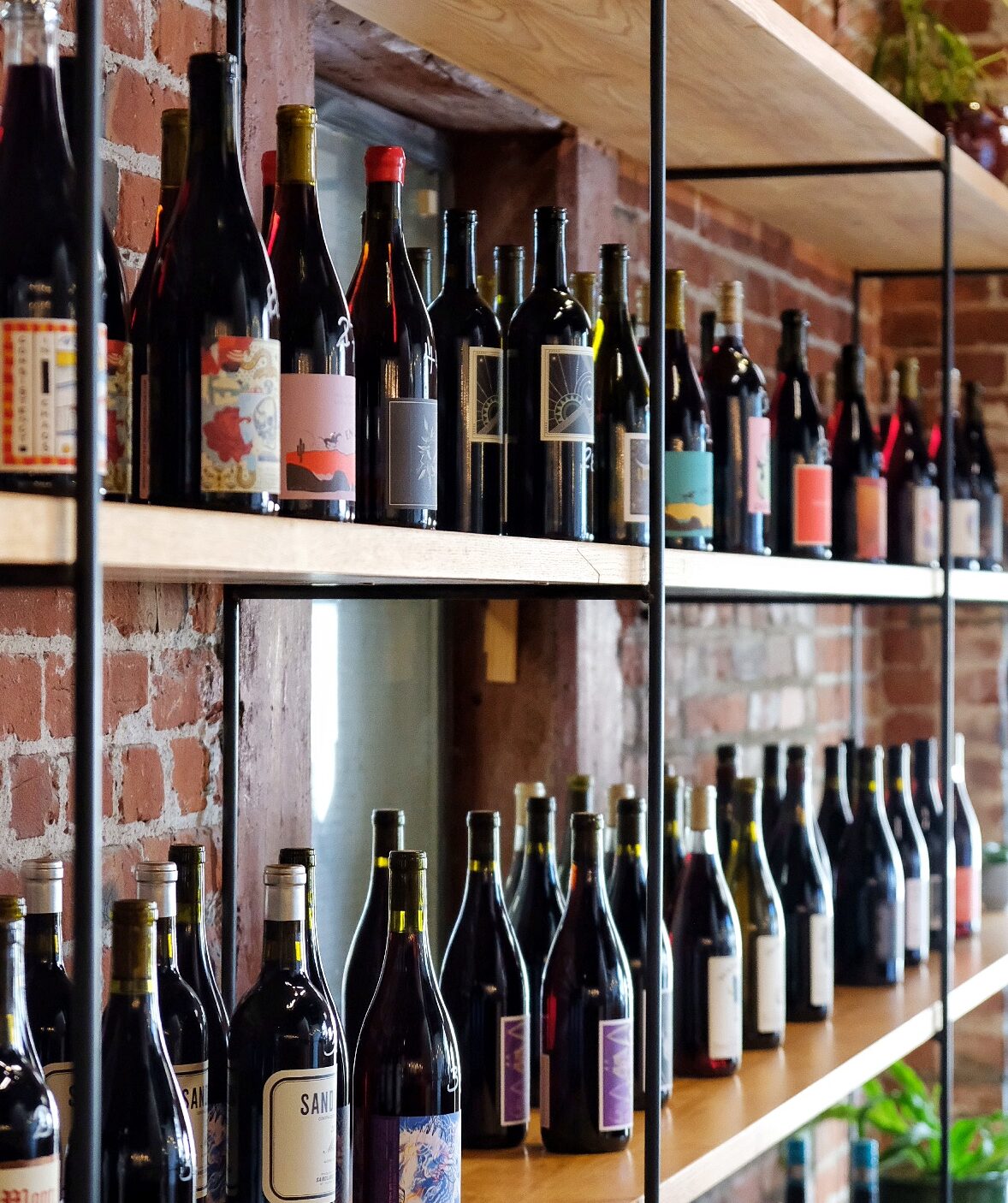
Even with all the new formats popping up, glass bottles are still the classic choice. They’ve been around forever for a reason.
Bottles are the go-to for wines that benefit from aging. Glass creates a stable environment that lets wine slowly evolve over time. Translation: if you’re saving something for later, bottles are still elite. They also do a great job protecting wine from light and oxygen when sealed properly. So for dinner parties, celebrations or building a small collection, bottles are still a great option.
A lot of premium wines stick with bottles because they preserve structure and complexity. It’s classic for a reason.
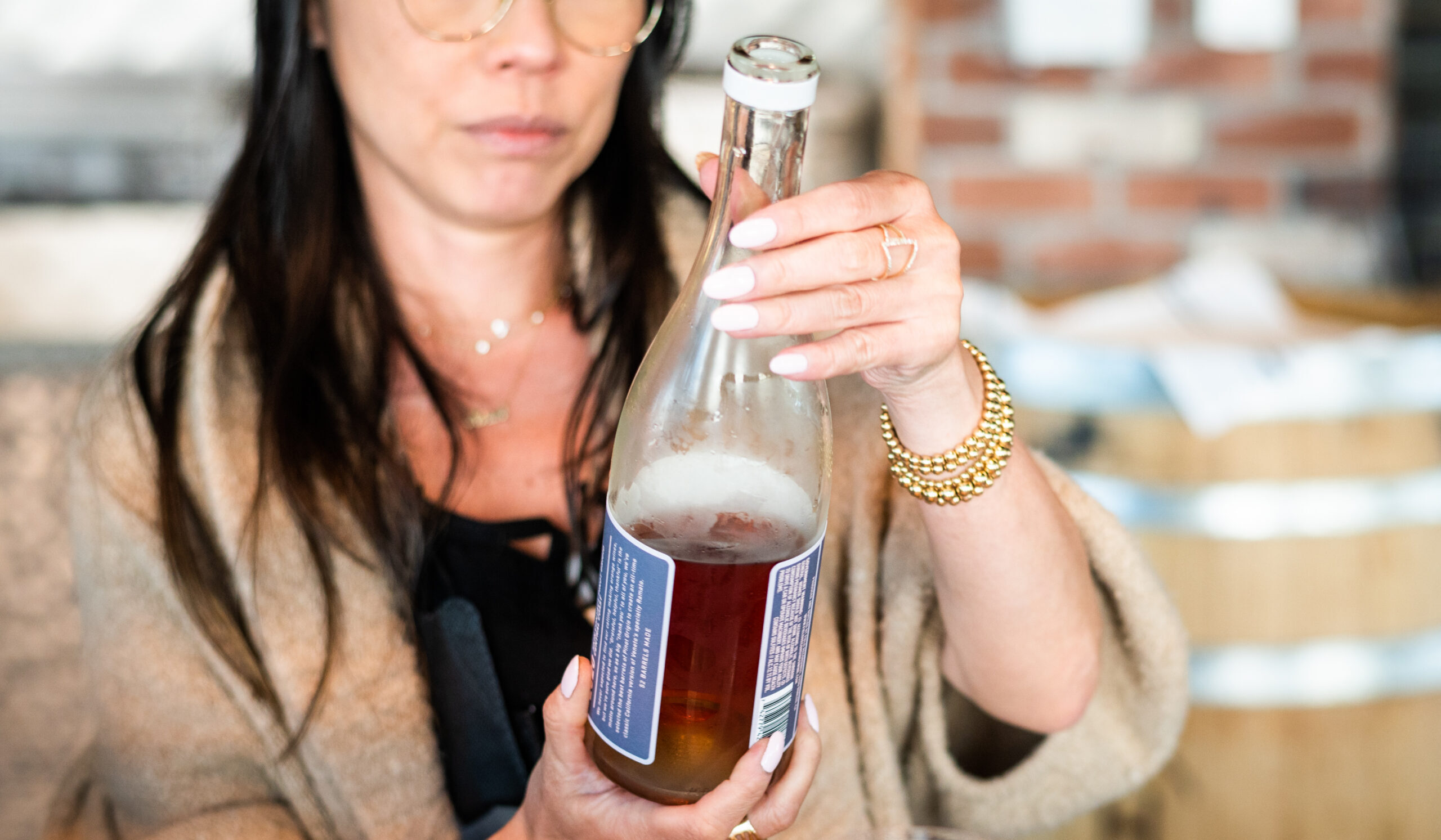
Canned wine is here and it’s not going anywhere. These aluminum cans are lightweight, portable and chill super fast. Which makes them perfect for beach days, hikes, picnics, concerts… basically any situation where glass is a no-go.
They just make life easier. No corkscrew, no stress, no commitment to opening a full bottle. Most canned wines are meant to be enjoyed young and fresh, often with bright, fruit-forward flavors that taste best when slightly chilled. It’s casual, convenient and perfect for on-the-go sipping.
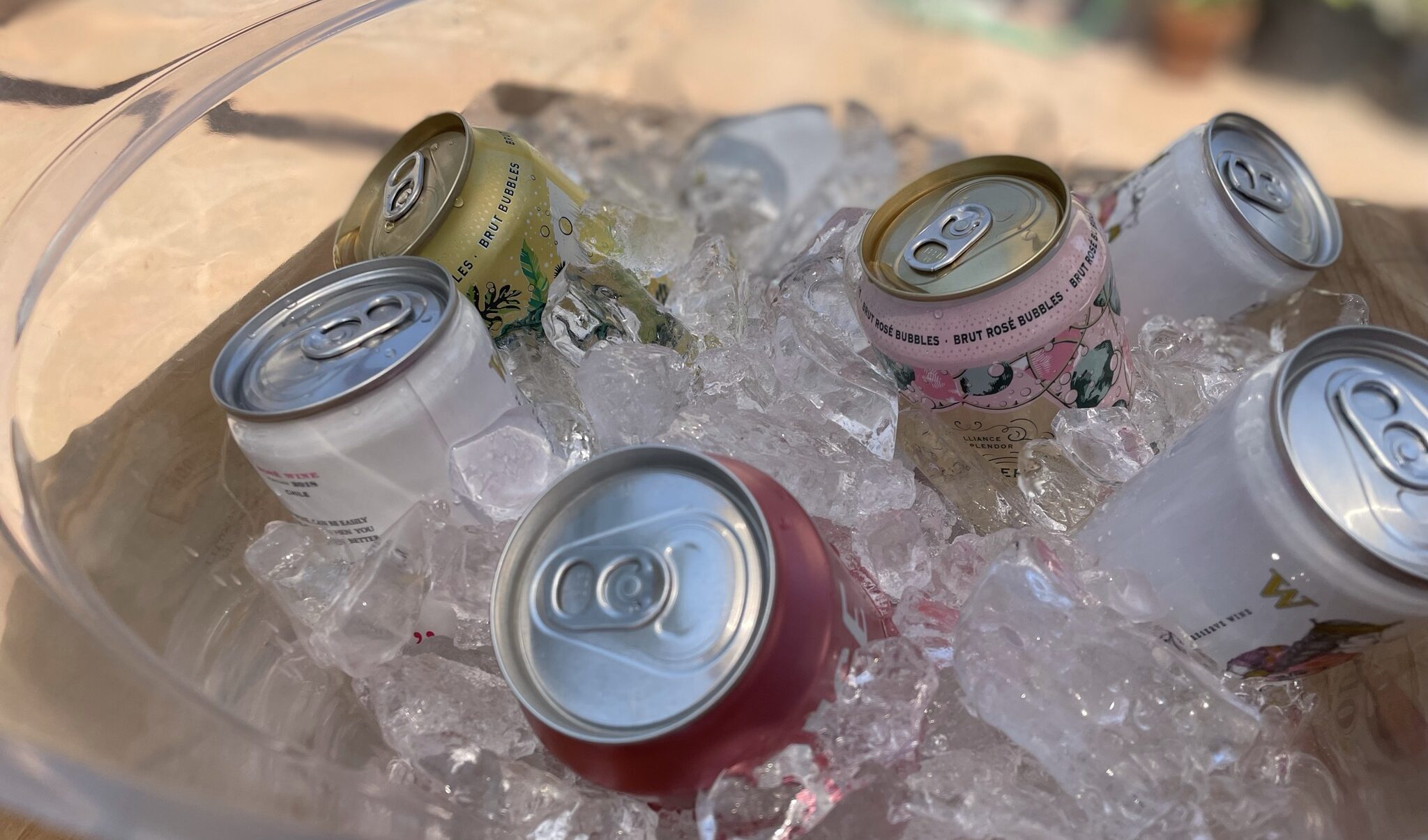
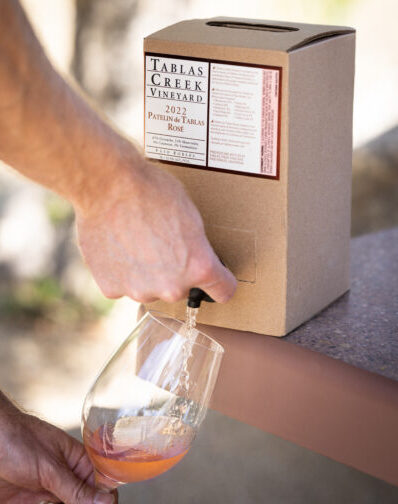
Boxed wine has been around for a while — but don’t sleep on it. The quality and packaging have seriously leveled up. Here’s how it works: The wine sits inside a sealed bag within the box.
As you pour, the bag collapses, keeping oxygen out. That means the wine stays fresh for weeks after opening.
That’s a huge win if you’re not finishing a bottle in one night (real life). Most boxes hold about three to four bottles’ worth of wine, making them perfect for small gatherings, weeknight dinners or just having a glass whenever you want.
One of the biggest reasons these alternative wine packaging types are popping off? Sustainability.
Glass bottles are heavier, which means more energy is needed to ship them. Lighter formats like cans and boxes can help reduce transportation emissions, which is a major plus.
At the same time, a lot of California wineries are also improving traditional glass bottles, making them lighter and more efficient to transport. Throughout the Golden State, many wineries using sustainable practices are exploring packaging choices that balance wine quality with environmental responsibility.
Real talk: There’s no single “best” wine packaging option. Glass bottles are great for aging and formal occasions. Cans offer portability and convenience. Boxes provide value and freshness over time. At the end of the day, more options just mean more ways to enjoy wine. And that’s kind of the point.
What are the most common wine packaging types?
The most common wine packaging types are glass bottles, aluminum cans and boxed wine containers. Glass bottles remain a traditional choice for wine, while cans offer portability for picnics and outdoor gatherings, and boxed wine can be convenient for casual entertaining, storage and serving larger groups.
Is canned wine good quality?
Yes, canned wine can be high quality, and many wineries use cans to package wines designed for freshness, convenience, and portability. Canned wine is especially useful for picnics, beach days, camping, concerts and other occasions where a lightweight, easy-to-carry wine format is practical.
Why is boxed wine becoming more popular?
Boxed wine is becoming more popular because it is convenient, portable and can stay fresh longer after opening than wine in a traditional bottle. Boxed wine is also lightweight compared with glass bottles, making it practical for parties, everyday drinking, travel and occasions where easy storage and serving are important.
Discover California Wines is an initiative of Wine Institute, representing more than 1,000 California wineries and wine-related businesses.
Wine Packaging Types: Cans, Boxes, or Bottles?Wine doesn’t just come in bottles anymore. From grab-and-go cans to fridge-friendly boxes, this guide break...
Read the Article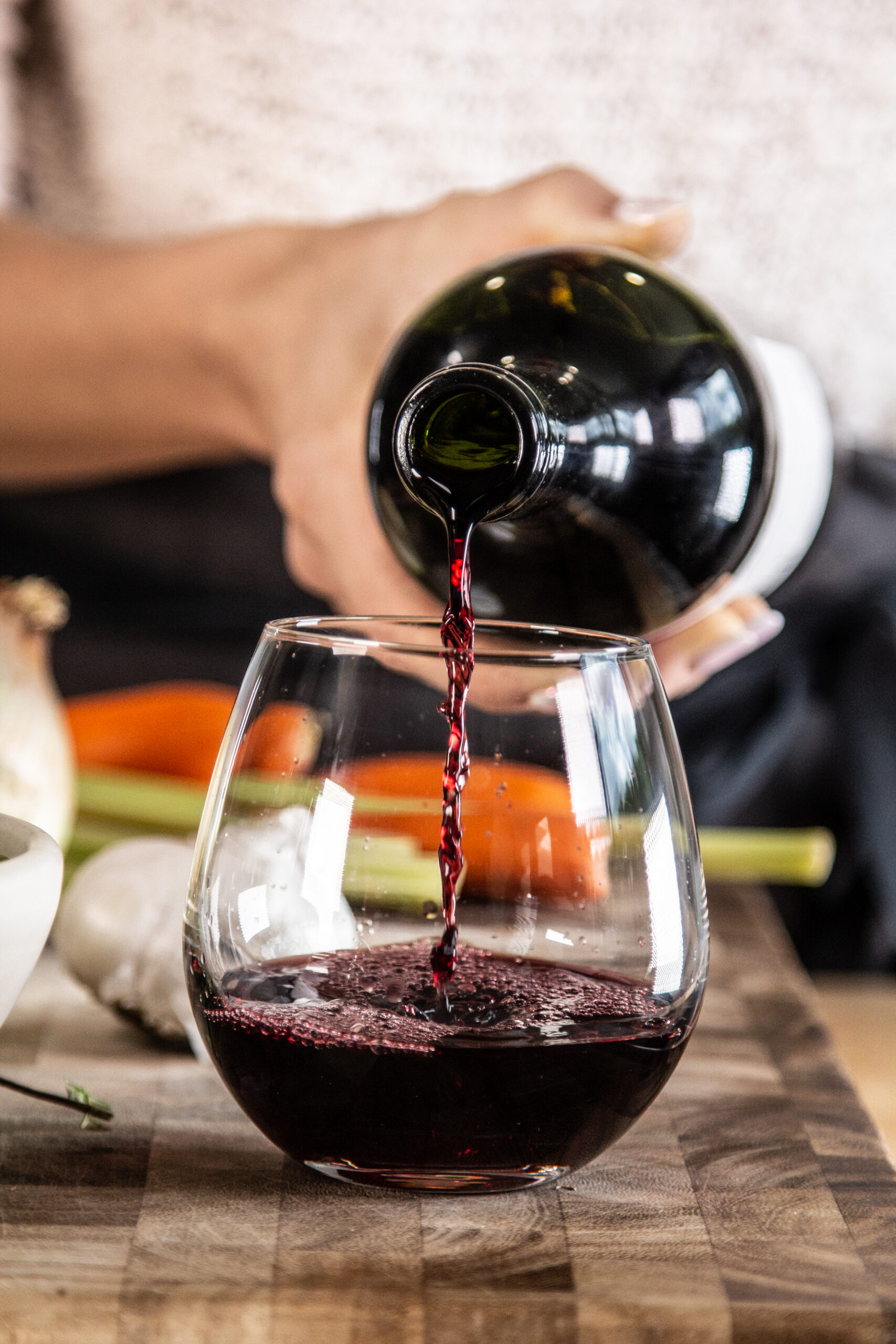 California Merlot: Smooth, Approachable and Always a Good Choice
California Merlot is proof that approachable doesn't have to mean boring. Known for its smooth texture, ripe ...
Read the Article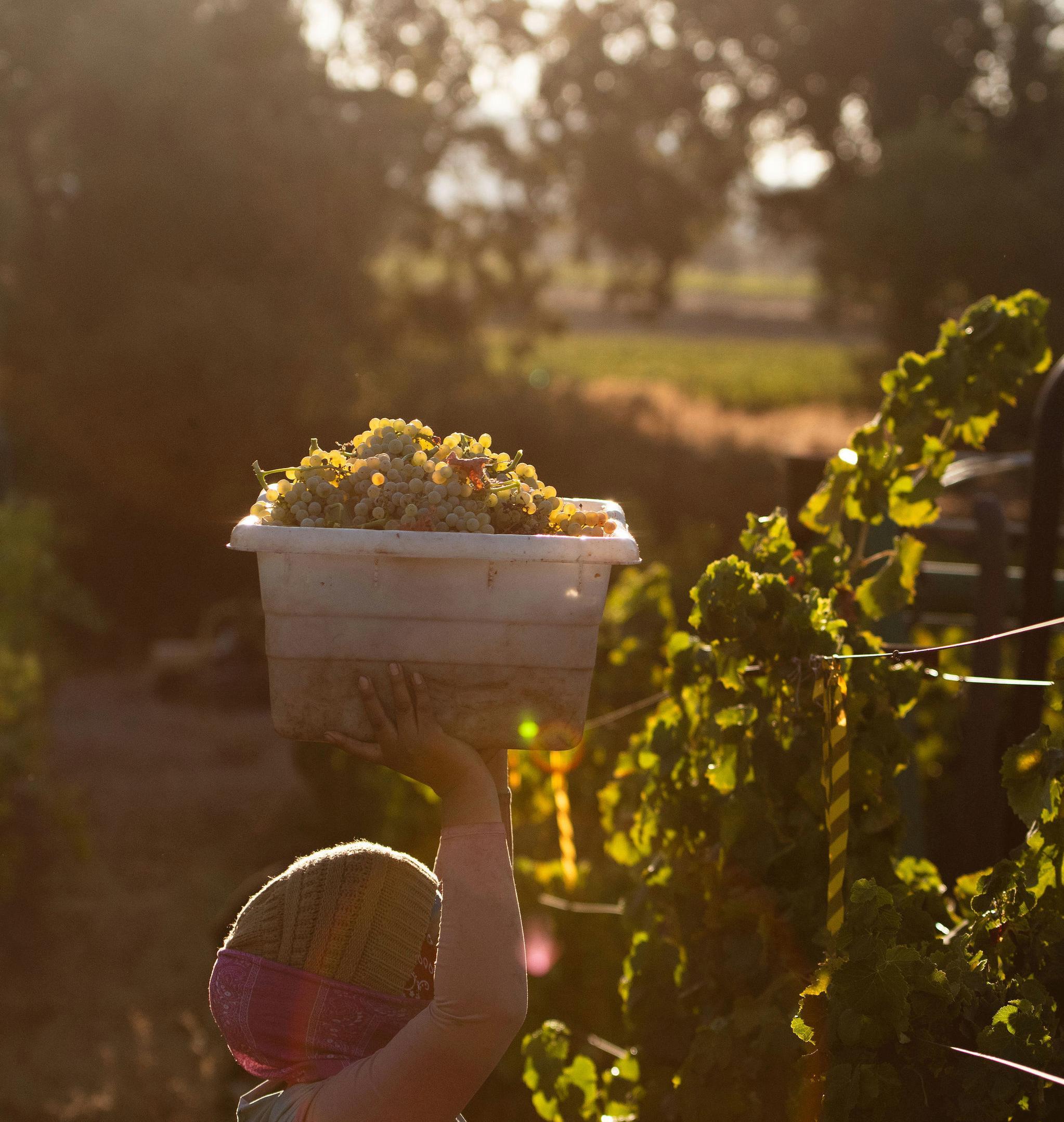 Wine Harvest Season: Inside California’s Most Exciting Time of Year
Harvest season is when California wine country shifts into high gear with early mornings, buzzing vineyards a...
Read the Article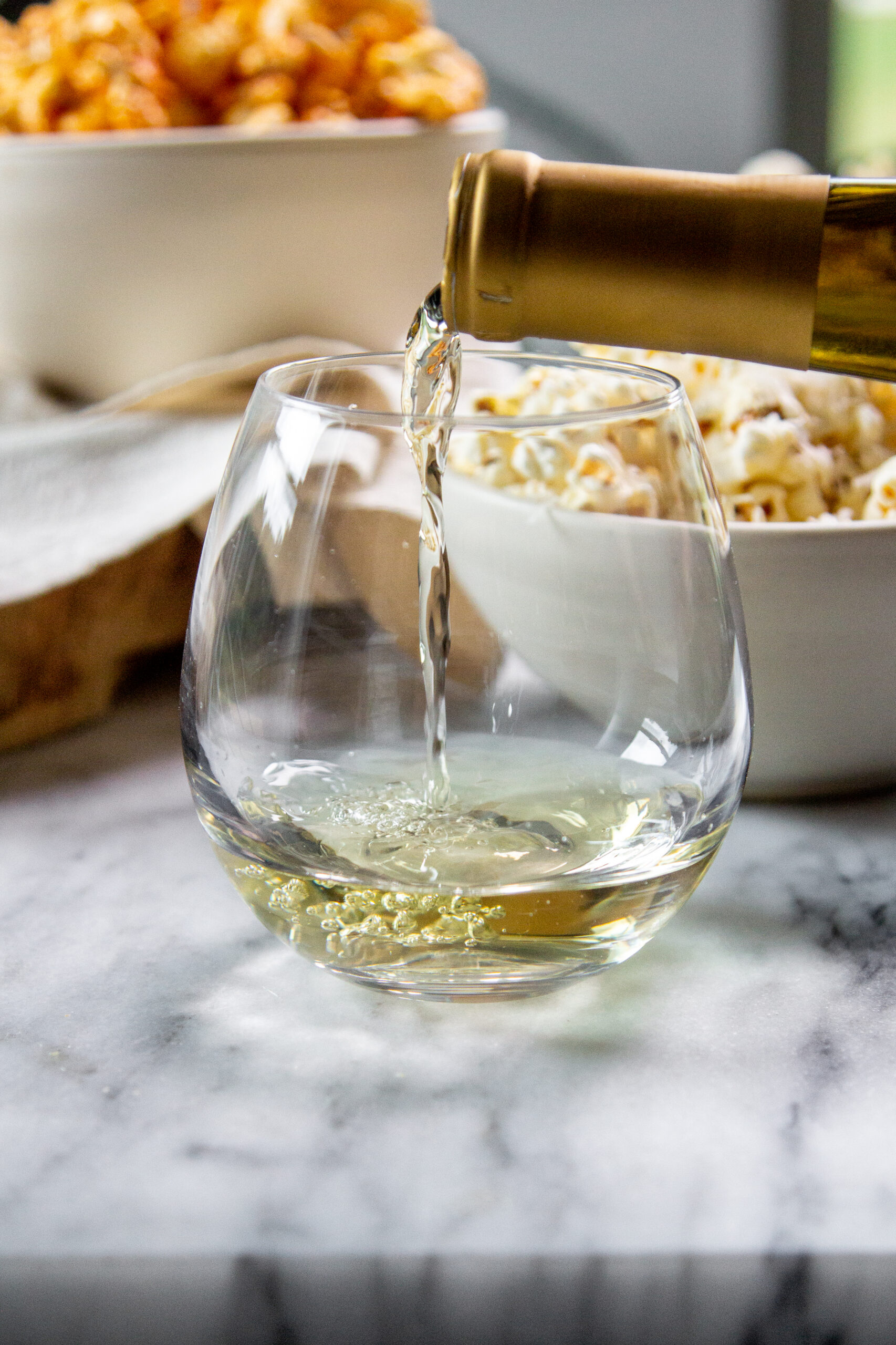 California Chardonnay: The White Wine That Does It All
California Chardonnay is one of the world's most popular white wines, celebrated for its versatility, rich fl...
Read the Article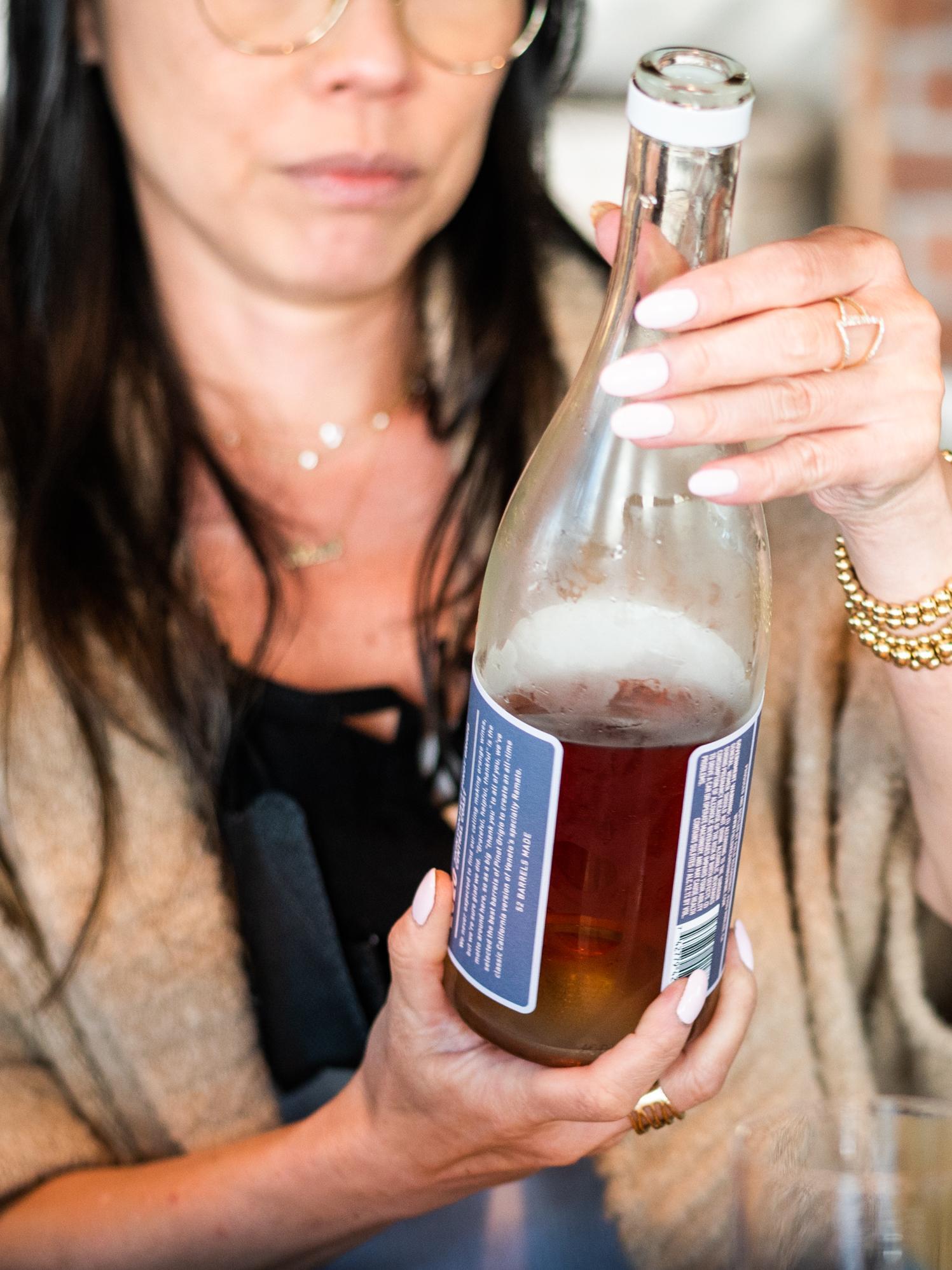 How to Read a Wine Label: A Beginner’s Guide
Ever stared at a wine label and felt like you needed a translator? This quick guide breaks it all down — so...
Read the Article California Zinfandel: A Bold and Beloved Original
California Zinfandel is one of the state's most iconic wine styles, known for its bold fruit flavors, versati...
Read the Article Wine Tasting Etiquette: What to Expect at a Tasting Room
So what is proper wine tasting etiquette? Do you swirl the glass? Are you supposed to spit? Do you have to bu...
Read the Article